
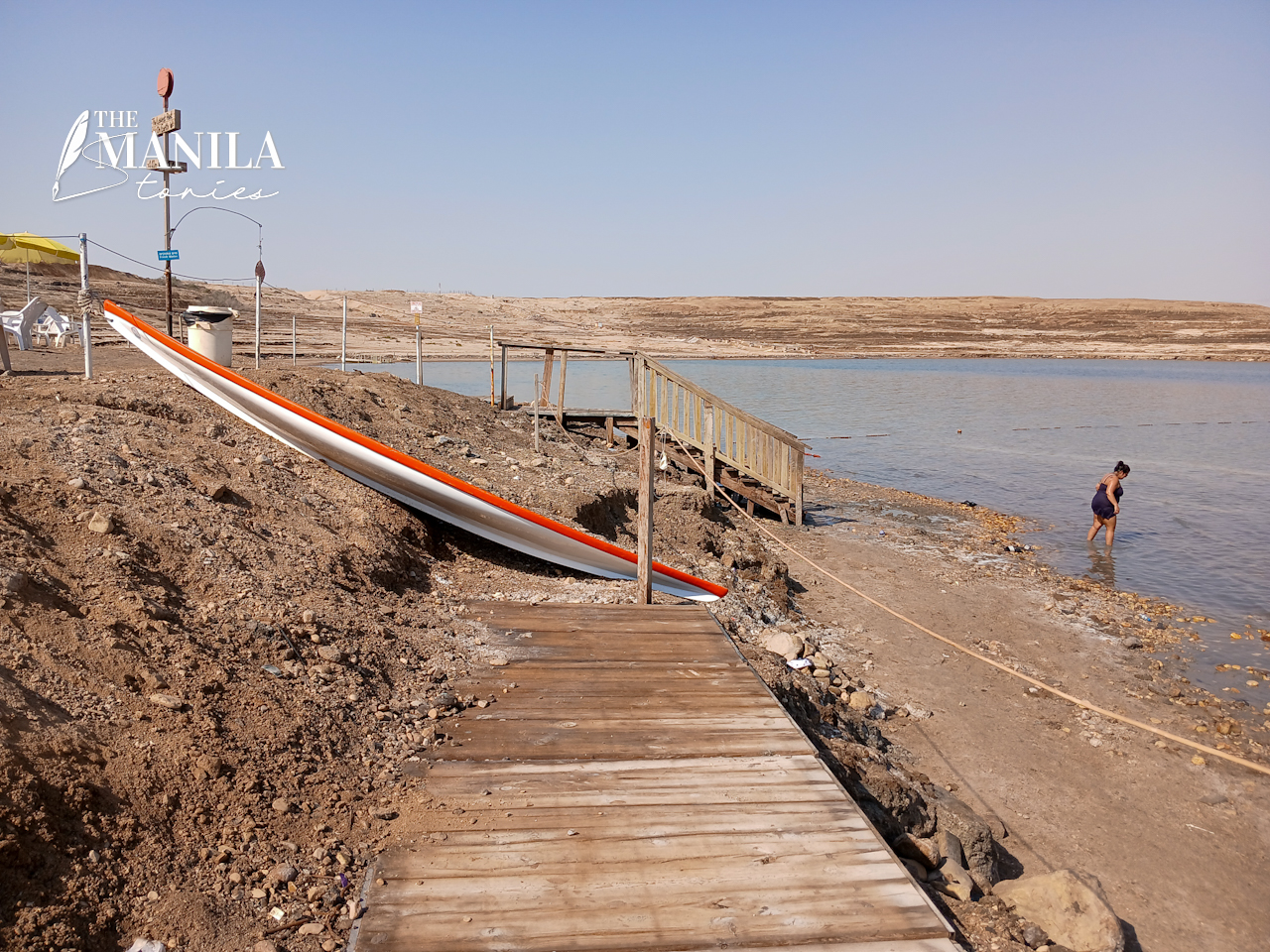
The lowest point on Earth is in danger. The Dead Sea has lost one-third of its water. This crisis threatens a unique natural wonder.
The body of water sits between the East Bank of Jordan and the West Bank and west of Israel. People call it the Dead Sea for a simple reason. No fish or plants can live in the water. The water has a very high salt concentration.

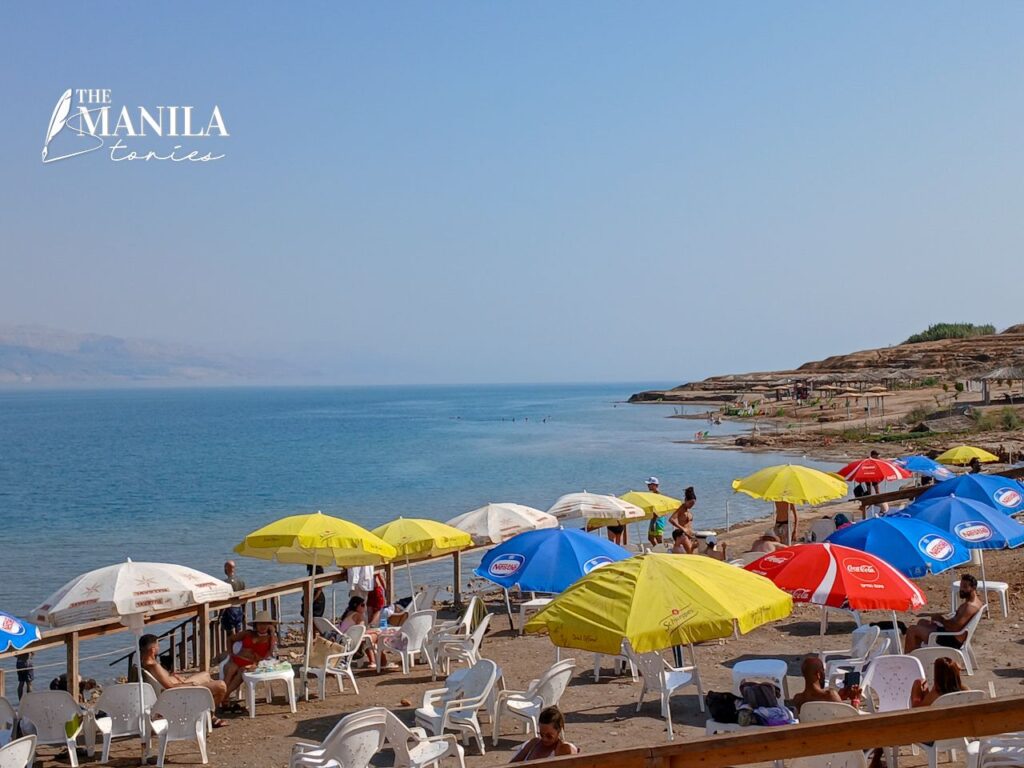
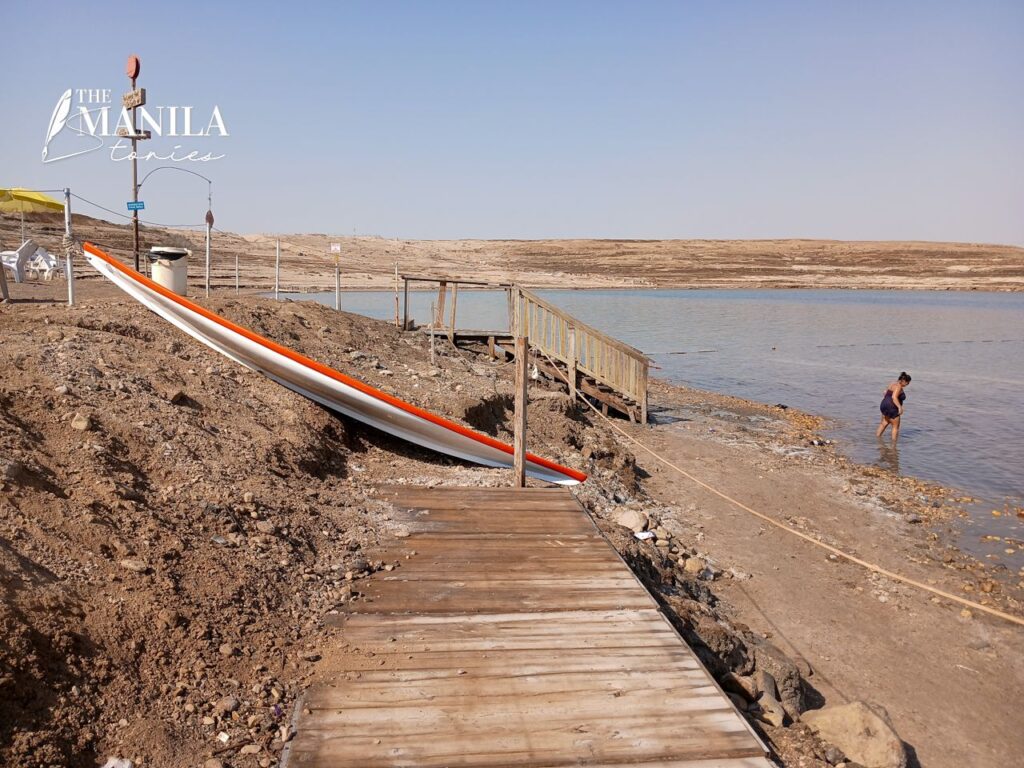
It is the lowest point on Earth. The land surface sits far below sea level. Decades ago, the water level sat at about 395 meters below sea level. Today, the water level has dropped to roughly 430 meters below sea level.
The Dead Sea attracts tourists from all over the world. Visitors do not come only because it is the lowest point on Earth. The water has a very high salt content. This high salt content lets people float easily on the surface.
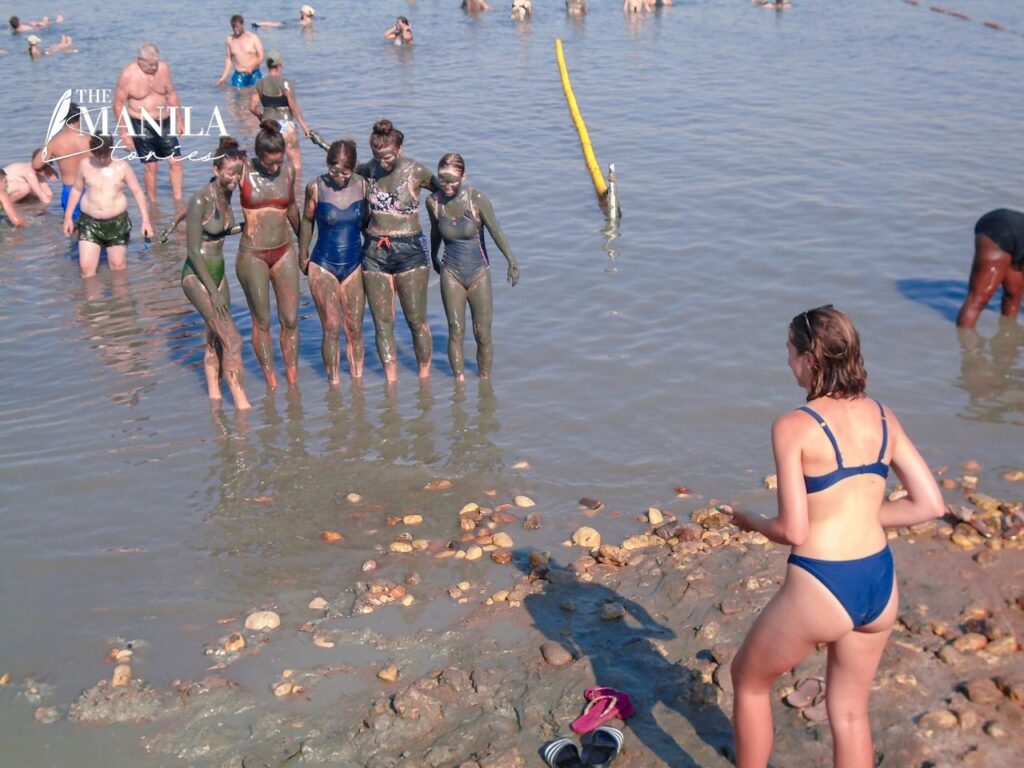
The mud and water contain many special minerals. These minerals offer real health benefits. Doctors often recommend the area for skin conditions and arthritis.
Companies turn these health benefits into profit. Factories harvest the minerals and salt. They make popular beauty products from the Dead Sea. These items include facial masks, soaps, and body scrubs. Shoppers worldwide buy these skincare goods.
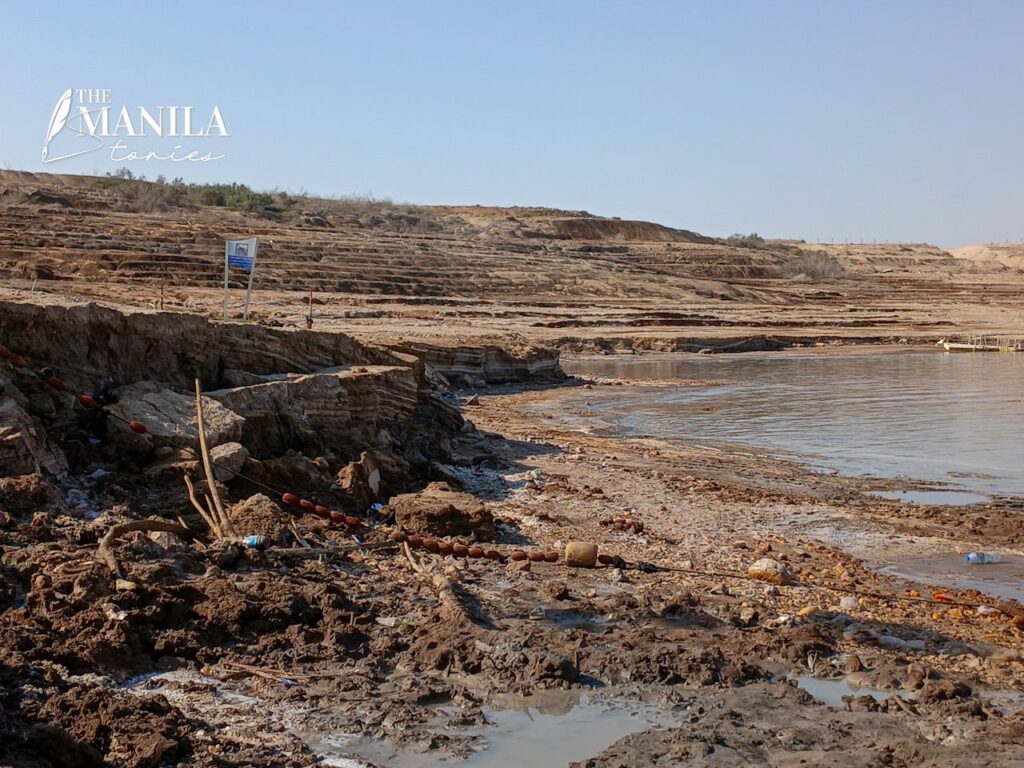
Now, the famous body of water is losing a lot of water. The decline happens at an alarming rate. The sea drops by more than one meter every year.
What are the main causes? Upstream rivers are heavily diverted. Jordan, Israel, and Syria take water from the Jordan River. This river is the main source for the Dead Sea. Mineral extraction companies also pump out massive amounts of water for industrial use.
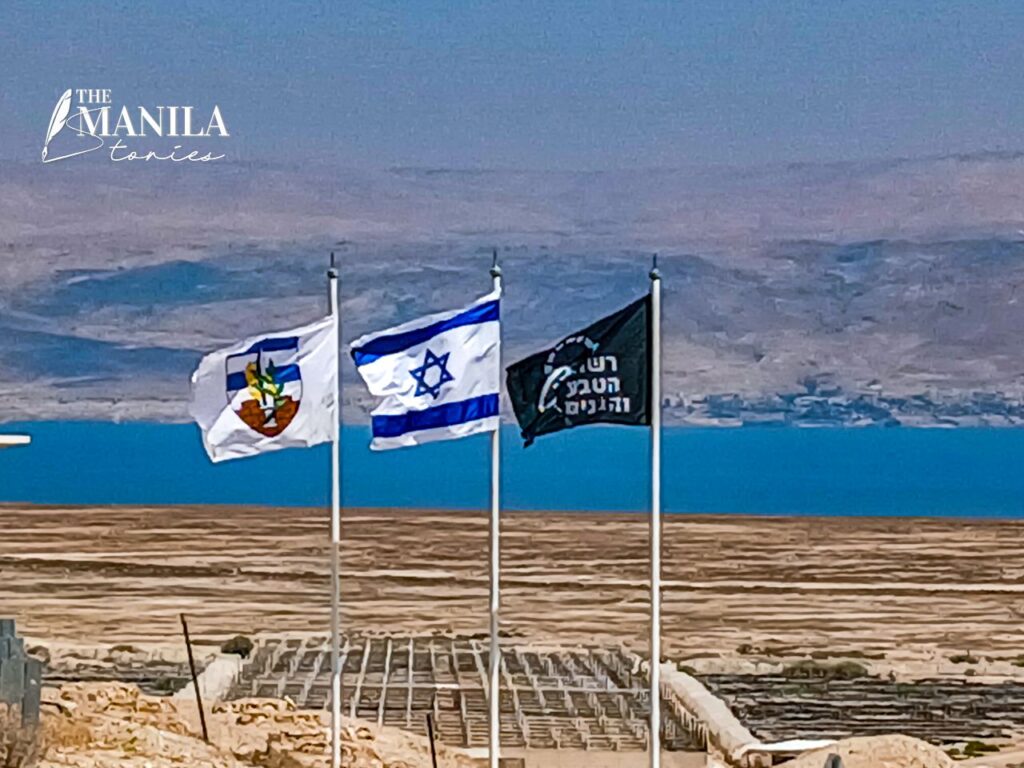
Neighboring countries are heavily involved. Israel, Jordan, and the Palestinian territories share the basin. Decades of political conflict have made water management very difficult.
The sea has lost a staggering amount in the past decades. Shorelines have receded by hundreds of meters. Sinkholes now threaten roads and tourist resorts.
Governments and scientists created programs to save the Dead Sea. Officials launched various rescue initiatives. Israel and Jordan signed a landmark agreement years ago. They planned a project to bring water from the Red Sea. This pipeline would pump brine and seawater into the shrinking basin.
However, political tensions and high costs slowed down the plan. Leaders from Israel and Jordan still discuss ways to save the shrinking basin. They share a vital interest in protecting the environment.
Experts warn about the timeline for recovery. It will take many decades to bring back what was lost from the Dead Sea. Some scientists say total restoration is impossible. Conservationists urge immediate action to stabilize the water level. Without cooperation, the iconic tourist destination may vanish forever.