
There are many ways to serve the nation.
For some, it means wearing a badge, carrying a responsibility, and standing on the frontlines of public safety. For others, it means quietly reaching out to communities and extending a helping hand where it is needed most. For the members of PARLEA—the Paragon Law Enforcer’s Alliance—service means both.
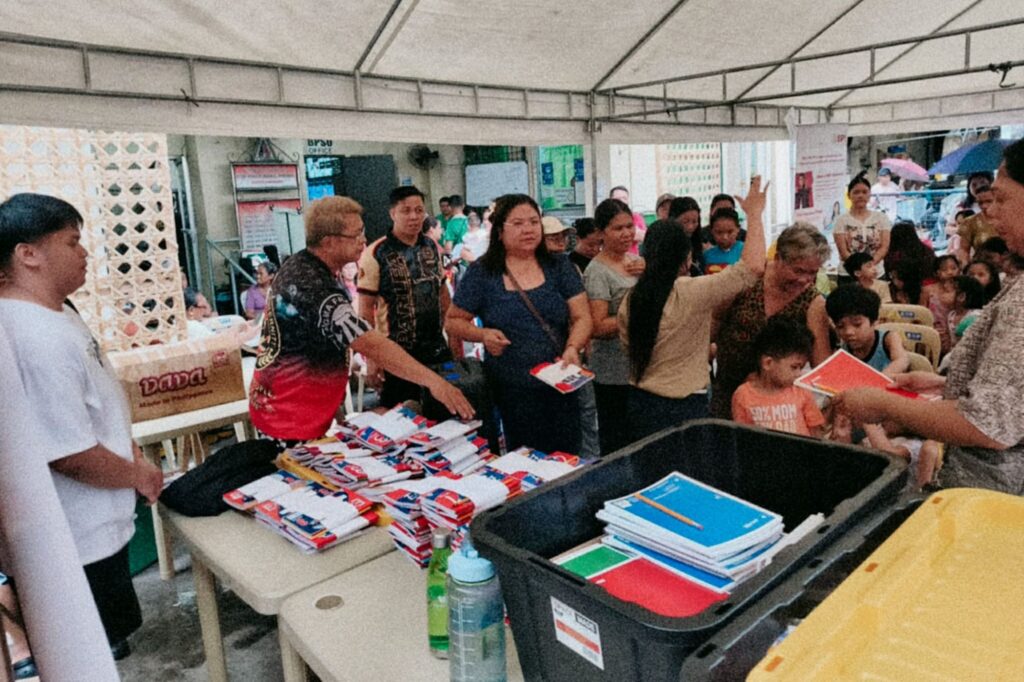
On the afternoon of June 5, 2026, a modest gathering took place in Barangay Krus na Ligas, Quezon City.
There were no grand ceremonies, no elaborate stage, and no expectation of recognition. Instead, there were schoolchildren eagerly waiting to receive school supplies, volunteers carrying boxes of donations, and fraternity brothers and sisters united by a shared belief that public service does not end when one goes off duty.
PARLEA is composed of members of the Pi Sigma Confraternity who have chosen careers in law enforcement, national security, public safety, and criminal justice. Its ranks include personnel from the Philippine National Police, Bureau of Jail Management and Penology, Philippine Coast Guard Auxiliary, Bureau of Corrections, and other government institutions tasked with protecting the Filipino people.
The alliance reflects the ideals that have guided Pi Sigma since its founding in 1972 at the University of the Philippines Diliman. Anchored on the motto “Paglingkuran ang Sambayanan,” Pi Sigma has long championed nationalism, leadership, scholarship, and service.
PARLEA carries these values into the realities of public service and law enforcement.
Its mission is straightforward yet profound: to uphold professionalism, integrity, and patriotism in public service; to promote ethical leadership among members; to support the welfare and professional growth of fellow public servants; and to contribute to peace, order, and national development.
But missions and visions find their true meaning only when translated into action.
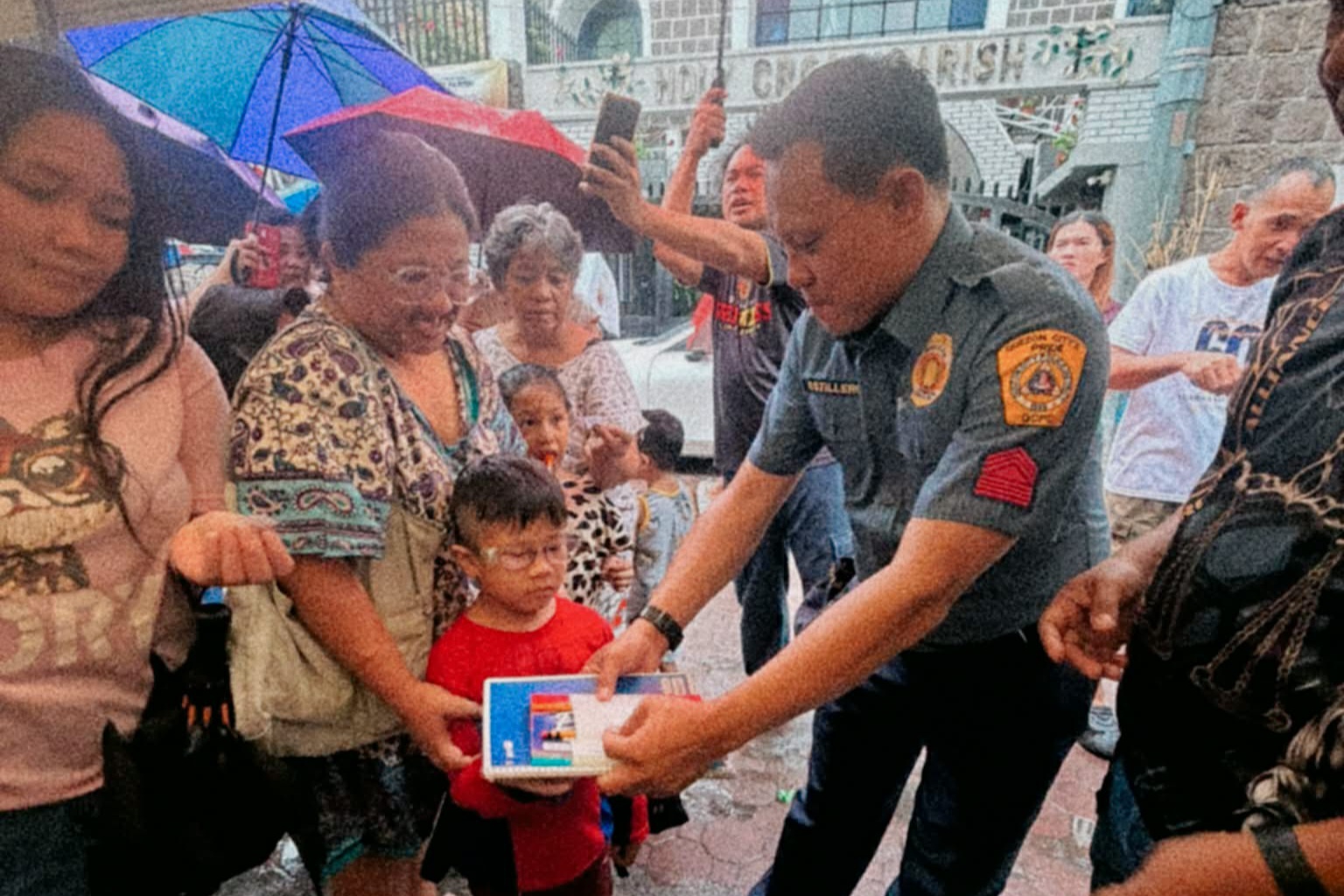
That afternoon in Krus na Ligas, action came in the form of school supplies distributed to nearly a hundred pupils from various schools and age groups. The outreach activity may have been modest in scale, but it embodied something larger than the number of beneficiaries reached.
It was about giving back.
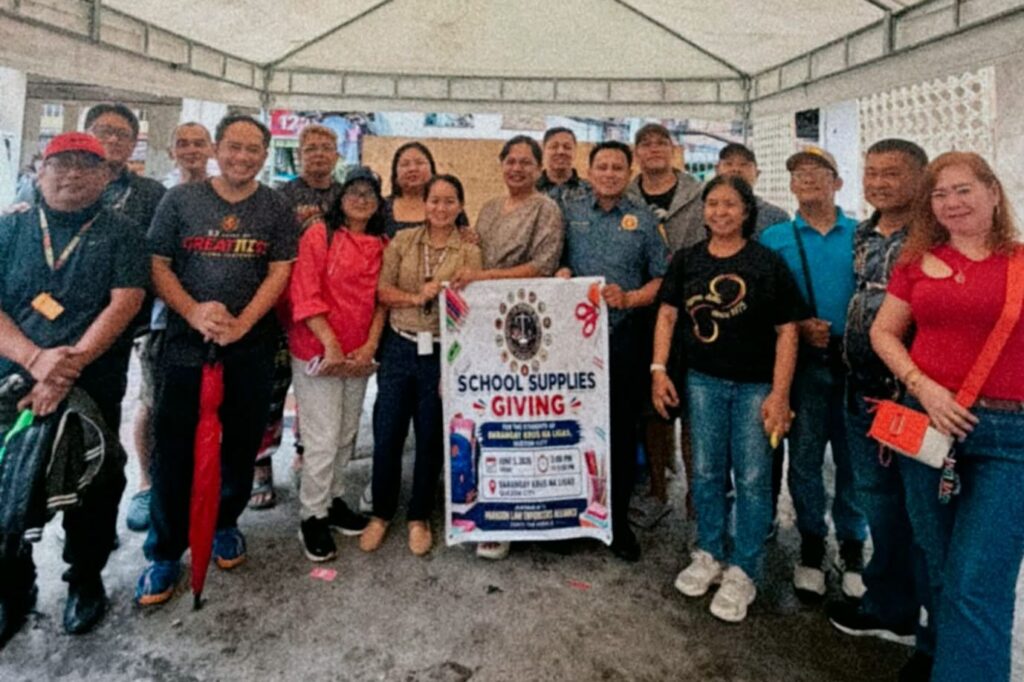
Leading the initiative was PARLEA President PSMS Roy Estillero of the Philippine National Police, together with the organization’s officers: SJO2 Francis Raro of the BJMP, Vice President for Internal Affairs; AUX LCDR Jose Alfonso Bariso of the PCGA, Vice President for External Affairs; PCPT Errol Sta. Ines of the PNP, Treasurer; AUX ENS Jason Jim Maraño of the PCGA, Secretary; SJO2 Edmundo Vasquez of the BJMP, Auditor; PEMS Jerry Cortes of the PNP, Sergeant-at-Arms; CO1 Glenn Banta of BuCor, Public Relations Officer; and Antonio Oasis of the PNP, Assistant Public Relations Officer.
Joining them were fellow members of Pi Sigma Fraternity and Sorority, Mike Westen, Edmundo Vazquez, Alberto Laxamana, Noel Navio, Abe Malaya III, Desiree Cecilia, Gina Trinidad, Lawrence Abueg, Ron Jo Yonas, Garry Paclibar, Emmanuel Silan, Michael Miranda, and Jeffrey Estipular.
For a few hours, titles and ranks mattered little. What mattered were the smiles of children receiving supplies for the coming school year and the sense of community built through a simple act of generosity.
PARLEA envisions a community of principled public servants committed to protecting the Filipino people. It seeks to develop leaders who embody competence, honor, and service, while strengthening cooperation among Pi Sigma members serving in government institutions for the common good.
These goals are often associated with large programs and institutional initiatives. Yet sometimes they are best expressed through small, sincere acts that directly touch people’s lives.
The gift-giving activity in Krus na Ligas served as a reminder that service is not measured by the size of a project but by the willingness to answer the needs of others.
For members of PARLEA, public service is not confined to offices, checkpoints, patrol cars, detention facilities, or command centers. It extends to classrooms, communities, and opportunities to uplift those who need support.
In the end, the outreach was more than a distribution of school supplies. It was a reflection of a fraternity’s enduring values and a demonstration of how those values continue to guide its members long after graduation and beyond the responsibilities of their respective professions.
It was, simply put, the Pi Sigma way of life—serving the people, strengthening communities, and living out the call to Paglingkuran ang Sambayanan.