
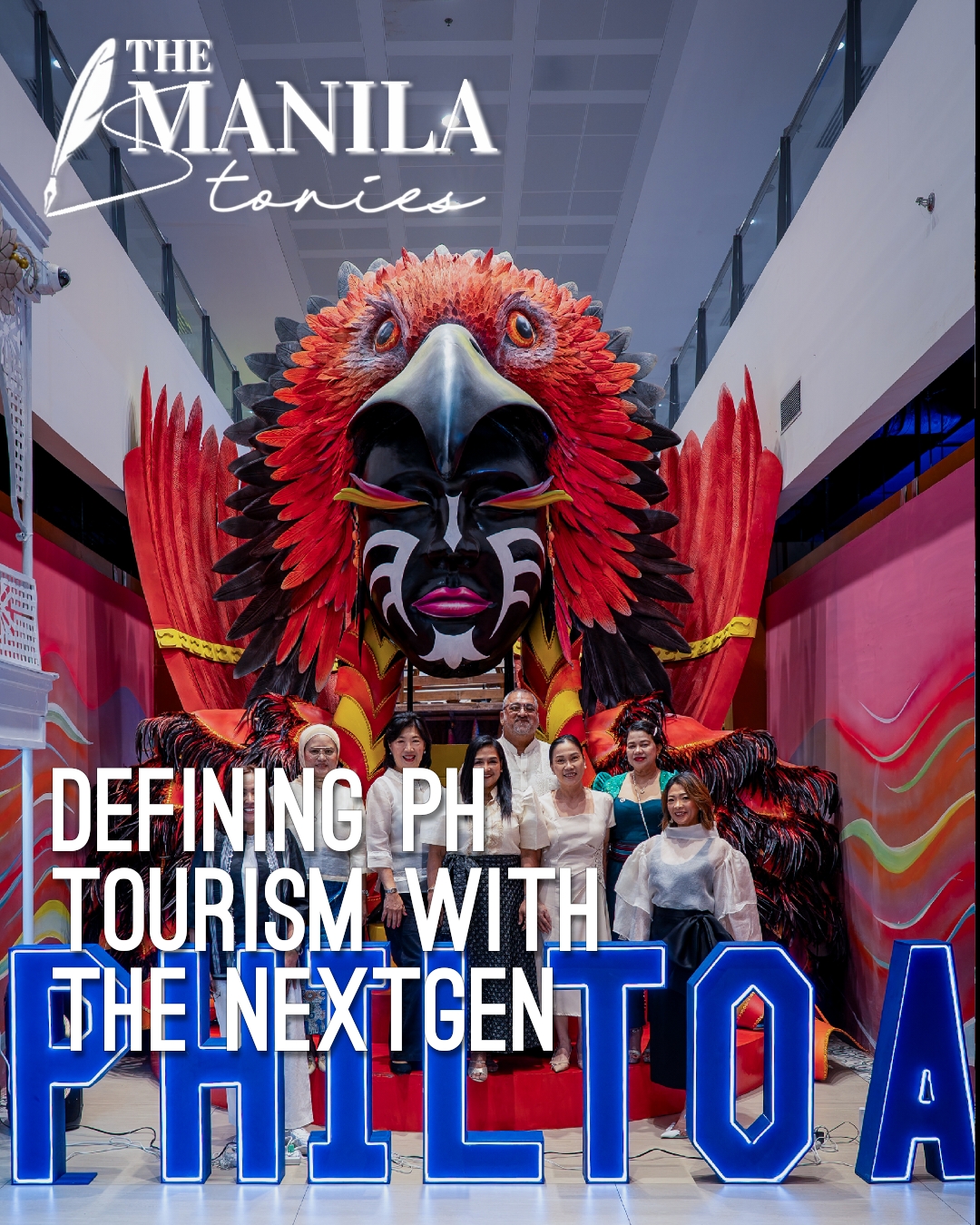
Travel is changing in the Philippines. The focus is shifting from quick bucket lists to deep, meaningful experiences. This new approach is called NextGen Tourism. It values authentic connections and local impact over superficial sightseeing.
The 37th Philippine Travel Mart will highlight this major shift. The Philippine Tour Operators Association will host the event. It runs from September 4 to 6, 2026.
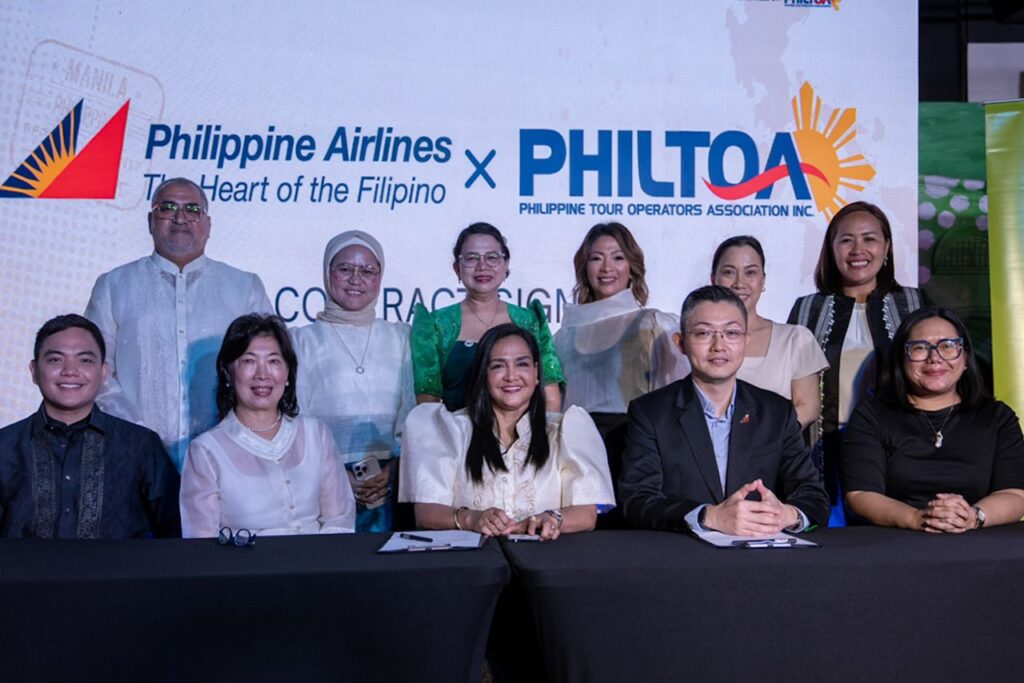
Maria Lourdes Flor Japson leads PHILTOA. She argues that success goes beyond counting visitor arrivals. The industry now focuses on the quality of experiences. It also looks at the lasting legacy left in host communities.
“PHILTOA believes that tourism is not simply measured by visitor arrivals but by the quality of experiences we create, the livelihoods we improve, the destinations we protect, and the legacy we leave for future generations,” Japson said.
The 4Ps Program powers this transition. It stands for Partnering for Professionalism and Progress. The program raises industry standards through training and certification.
NextGen Tourism uses a four-pillar blueprint. This strategy makes the industry future-ready.
The first pillar is sustainability. Tourism must protect natural and cultural heritage. It also creates long-term economic opportunities.
The second pillar is inclusivity. Growth must reach small businesses and indigenous groups. It also supports emerging destinations.
The third pillar is health and wellness. Travelers want transformative journeys. These trips enrich both body and mind.
The fourth pillar is digitalization. The industry embraces artificial intelligence and smart tourism. This keeps the Philippines globally competitive.
Travelers now act as nation-builders. Every peso spent flows through the local economy. Money reaches transport providers, hotels, local artisans, and guides.
“Beyond attractive travel packages, we want [travelers] to discover new destinations, appreciate our diverse cultures, support local businesses, and understand that every journey they take contributes to nation-building. [Because] every peso spent on local tourism creates jobs, supports families, empowers communities, and helps preserve our cultural and natural heritage,” Japson explained.
The travel mart helps emerging destinations shine. Nearly 300 exhibitors from 15 regions will attend. They will showcase hidden gems like Batanes, Camiguin, Agusan del Sur, and Cotabato City. This spreads tourism wealth beyond crowded areas. It prevents over-tourism and helps rural regions grow.
Modern travelers are true partners in this mission. They can support the vision in several ways. They should choose accredited tour operators. They can stay in responsible accommodations. Hiring local guides and dining in local restaurants also helps. Travelers must respect indigenous cultures and reduce environmental waste.
The travel mart campaign has grown over three years. It started with “Love” in 2024. It moved to “Boosting” in 2025. It now enters the “Nurturing” phase for 2026. This progression shows a mature commitment to a responsible industry.
“In short, every journey becomes an investment in the future of Philippine tourism. Because the future of tourism will not simply be measured by the number of places we visit—but by the value we create along the way,” Japson said.