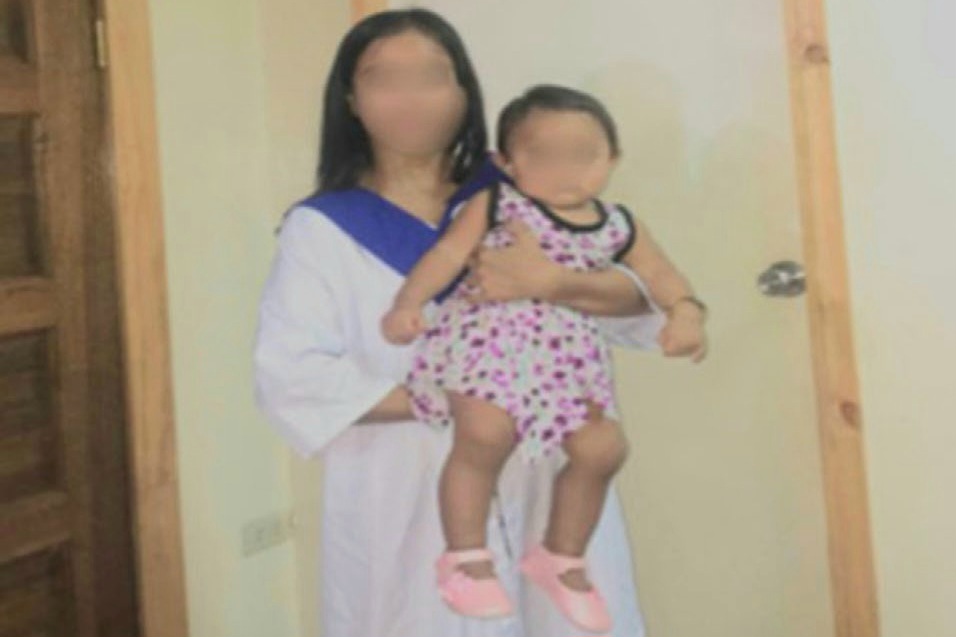
Ateneo de Manila University researchers recently completed a groundbreaking study. They used photography to explore the lives of young Filipino parents. The project sheds light on a demographic often misunderstood by society. Teenage parenthood remains a pressing national issue.
Official data shows alarming trends. In 2022, the Philippines recorded an estimated 150,000 teenage pregnancies. Births among girls younger than 15 years old surged by 35 percent. These statistics reveal deep gaps in current laws. They also highlight a disconnect between programs and lived experiences. Stigma remains a heavy burden for these youth. Services often prove inaccessible or irrelevant to their needs.
Dr. Liane Alampay led the research team alongside Dr. Bernice Landoy Mamauag and Jennel Reyes. The Masayang Pamilya Organization, Inc. partnered with the university for this project. Researchers wanted to center the voices of teenage mothers and fathers. The study served as a needs assessment. It aims to inform a new parenting program.
The team recruited nine participants. These Filipino teenagers ranged in age from 15 to 20 years old. They live in low-income communities across two provinces in Central Luzon. Researchers targeted this region due to high pregnancy rates. The study used a unique research technique called photovoice.
Participants documented their daily realities through pictures. They either captured new images or chose existing ones. Then, they shared the stories behind each visual. This method allowed young parents to guide the research. The findings will shape future support systems.
The project imposed no strict photography rules. There were no lessons on lighting or framing. Participants simply needed to highlight meaningful elements. This approach worked because photography was already familiar to them. Some youth used items symbolically. Crayons represented a family unit. A permanent marker represented the lasting effects of sexual interactions.
These powerful images revealed complex lives. The label “teenage parent” fails to capture their full stories. One participant shared a profound sentiment. She said, “I’m a student, a worker, and a mother. Sometimes, I feel like I have three bodies.”
For her, motherhood meant carrying multiple roles simultaneously. Her schedule involved moving between school, work, and childcare. She grew into adulthood while caring for another human being.
Another participant balanced being a first-year college student with a job as a food server. Others found solace in peer groups. Friends became a second family. Peers provided safe spaces for open communication.
The photographs captured constant negotiation. Participants lived in the push and pull of adolescence and parenthood. They navigated relationship uncertainty and shifting family dynamics. They balanced the demands of a child with education and employment goals.
Researchers analyzed the images and identified eight core themes. These include managing stress and conflict in partnerships. They noted peers as sources of emotional support. Family relationships offered both support and strain. Participants experienced shifts in normative adolescent priorities. They faced challenges in balancing demanding roles. They also expressed a strong desire to improve parenting skills. Finally, the themes touched on environmental drivers of early sexual exposure. They included sexual knowledge gained from social media.
The study applied Life Course Theory. Researchers found that low-resource contexts heavily influence early parenthood. Participants demonstrated agency despite severe constraints. Some stayed in school. Others entered the workforce. Many sought better ways to relate to their children.
Fathers played complex roles in the narratives. Partners acted as sources of both stress and support. Several mothers reported conflict-laden relationships. These involved imbalanced household chores and financial control. Some faced verbal and physical altercations. Emotional immaturity worsened these tensions.
Conversely, fathers who shared caregiving duties helped mothers succeed. Paternal involvement allowed young mothers to continue their education. The paper advocates for gender-responsive strategies. Programs must bring young fathers into support systems. This shift will strengthen families and challenge harmful gender norms.
The Ateneo study calls for specific actions. Young parents need accessible counseling services. They require healthier communication and conflict resolution tools. Comprehensive sexual and reproductive health education remains vital.
The research proves teenage parenthood is multifaceted. It involves more than just hardship. Relationships and personal choices define this transition. The photographs avoided a single, tragic narrative. Instead, they revealed young people who are still growing. They are finding their way while raising children. Their stories remain unfinished.