
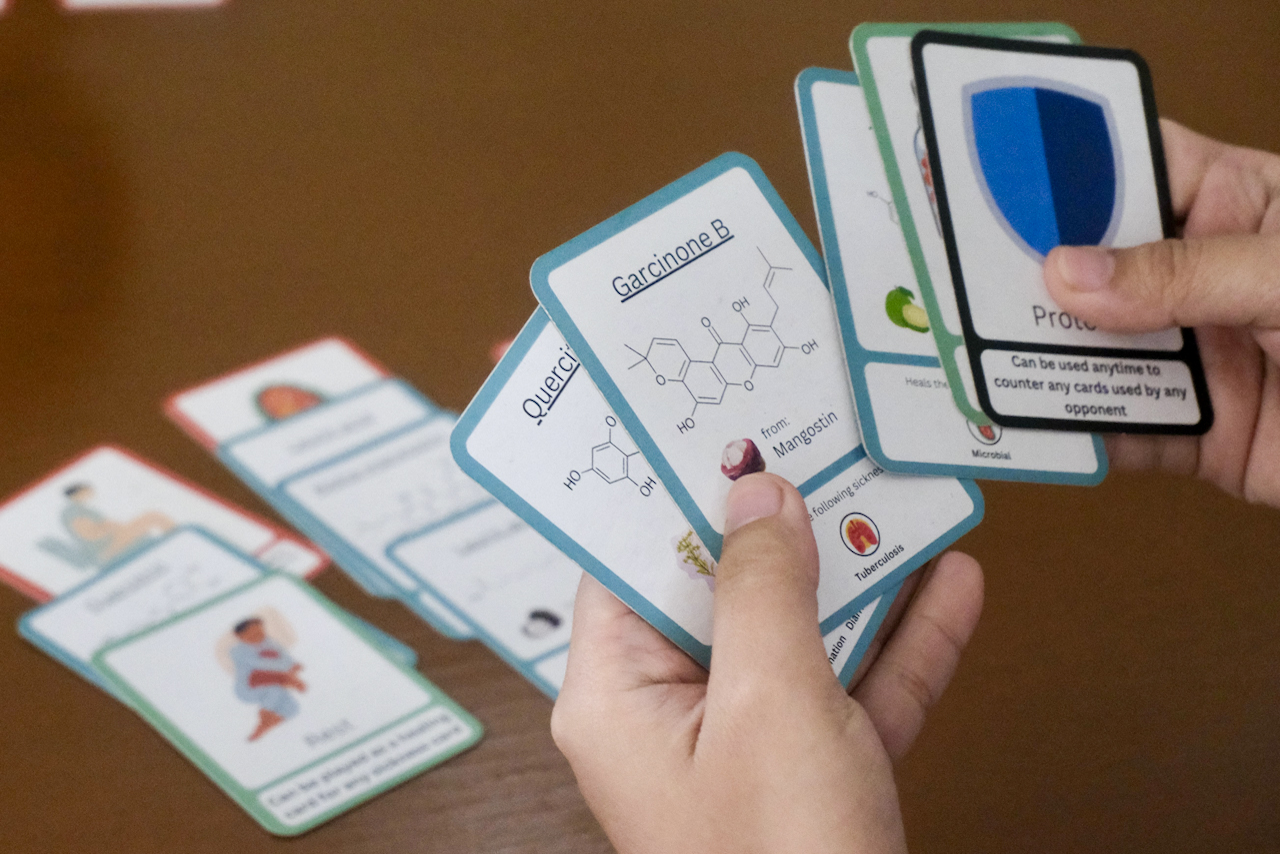
Ateneo de Manila University researchers have developed a new card game called Herbularyo. The game teaches organic chemistry through traditional Filipino medicinal plants.
Medicinal plants are a staple of Philippine culture. Many Filipinos use tawa-tawa for dengue and aloe vera for skin wounds. Guava leaves serve as disinfectants, while yerba buena tea relieves aches. Ampalaya helps manage diabetes.
These remedies have a long history in oral traditions. However, Filipino folk medicine is also rooted in hard science. Researchers from the Ateneo Chemistry Department and Health Sciences Program want to bridge this gap.
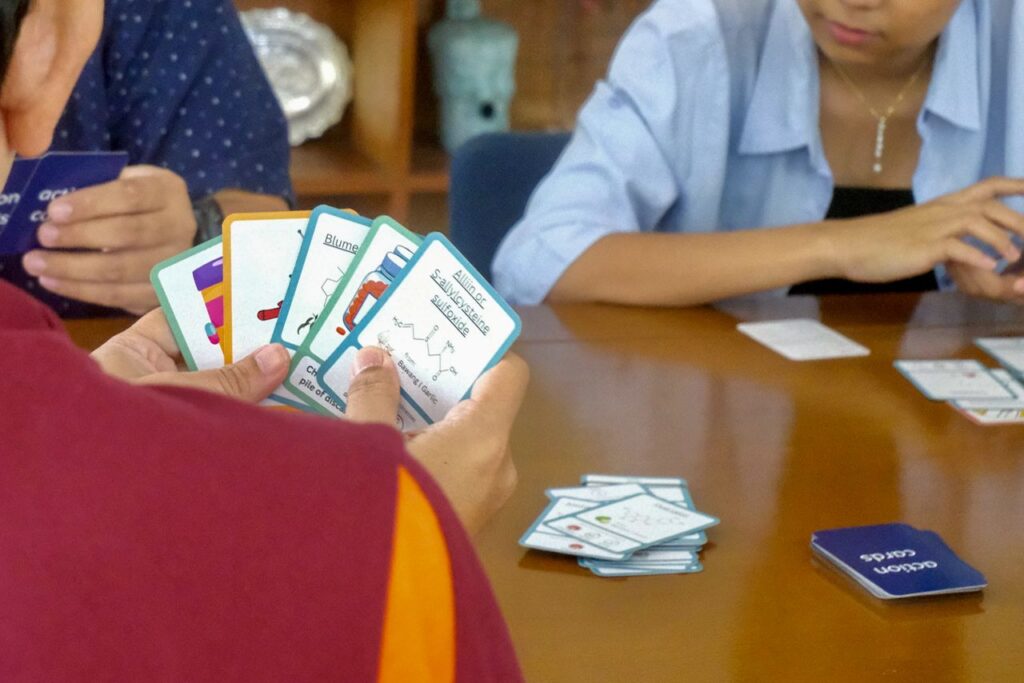
Bringing Science to the Table
Players in Herbularyo act as traditional healers. They race to cure illnesses using plant cards and chemical compounds. The game includes special cards based on cultural beliefs like binat (relapse), sumpa (curse), and himala (miracle).
Players match specific herbs to illnesses. They must also identify the organic compounds found in each plant. This approach replaces rote memorization with active learning.
The game uses data from the Encyclopedia of Common Medicinal Plants of the Philippines. Ateneo chemists Dr. Fabian M. Dayrit and Dr. Rene Angelo Macahig edited this reference. It provides scientific evidence for the therapeutic use of local plants.
Rethinking Education
Classroom tests show the game is an effective tool. High school and college students reported higher learning gains. They also found the game enjoyable.
The creators wanted to connect chemistry to daily life.
“We wanted to make a game that not only teaches organic chemistry and Filipino traditions, but also how these areas of knowledge can inform each other,” said co-developer Maryjane Magsino.
Magsino added, “We wanted to underscore the value of traditional Filipino medicine that has stood up to scientific testing yet is within easy reach practically in our own back yards.”
Bridging Cultures and Chemistry
Herbal medicine remains vital in the Philippines. It is especially important in rural areas where access to conventional medicine is limited.
The research team believes effective science education starts with local knowledge. Herbularyo encourages students to look at their own backyards and spice racks for scientific inspiration.
The goal is to make organic chemistry more accessible. It also aims to preserve medicinal knowledge for future generations.
The research team published their findings in the May 2026 issue of the Journal of Chemical Education. The paper is titled, “Herbularyo: A Card Game for Learning Organic Compounds of Medicinal Herbs and Their Therapeutic Benefits.”
The authors are Maryjane T. Magsino, Inah Marie Q. Rivera, Armando M. Guidote Jr., and Genejane M. Adarlo.