
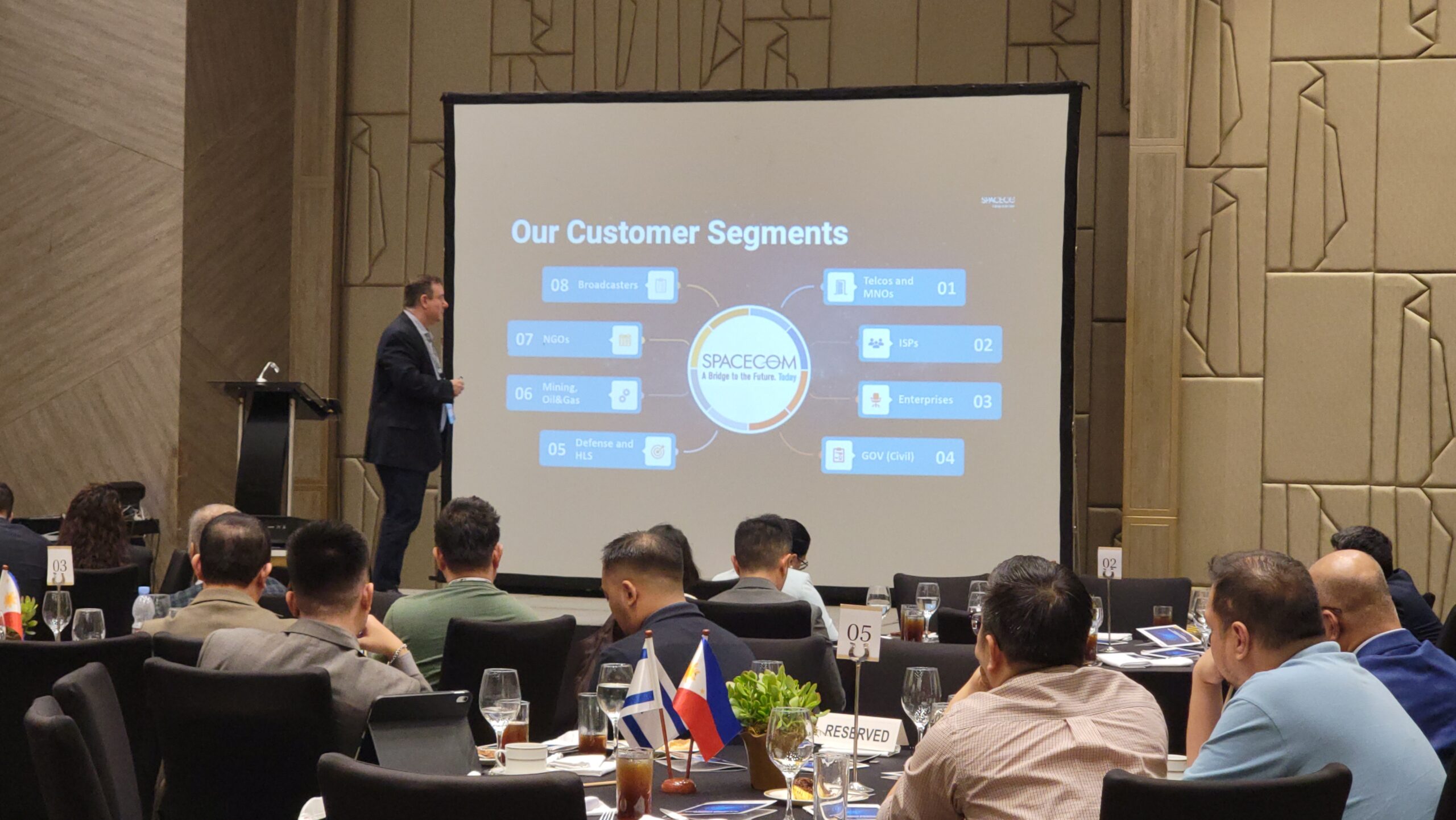
Philippine businesses are opening their doors wider to the “Startup Nation” of the world. A nation’s egalitarian work culture is tapping into the warm, deep-rooted, and valued Filipino work culture. Israeli companies are exactly doing that on 16 June in Taguig’s Global City.
The two resilient nations are filling their gaps to strengthen their economic presence in the world. The Philippines’ 118 million population caters to a vast number of talents and creatives, but grapples with digital adoption. Israel’s untapped technological advances in various industries grow slowly with a population 11 times less than that of the Philippines. Two cultures working together can strengthen network resilience in a digitally connected world.
TradeIL Philippines (TradeIL Ph), the Israeli Ministry of Economy and Industry representative, organized a mobile delegation of the B2B forum yesterday. TradeIL connects Filipino and Israeli businesses on a demand basis with a proper economic framework. This connection supports the interaction of companies from both nations.
Filipino’s harmonic teamwork culture molds perfectly with Israel’s working culture. Israel’s fast problem-solving work culture blended with the Filipino can upscale both their entrepreneurial proficiency. The Philippines is a nation that upskills industries.
Post-war Philippines became a template for economic resilience, rebuilt for other Southeast Asian Nations. Then the country fell under the dictatorship. Again, the Philippines’ 1990s spearheaded manufacturing, industrialization, and digitalization before China dominated production in 2010. TradeIL Ph can see the Philippines potential to upscale advanced mobile and connectivity enterprises.
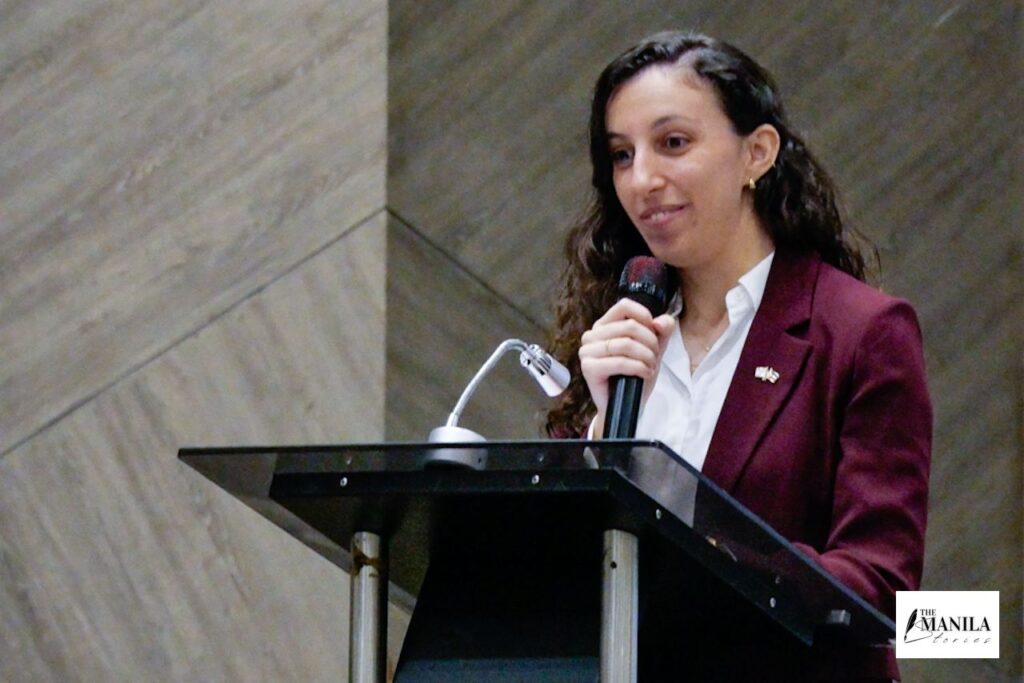
Ofek Venecianer, Economic Counselor of TradeIL Ph, foresees this potential. Her view, “All the Israeli companies know that they need to scale up. We look for countries where they can scale up. Philippine is definitely a good fit [to scale up].”
Ms. Venecianer adds, “I think that from the enterprise perspective. They know that these solutions can be a good match and a good fit for the market. Also, you know that the Israeli companies are very much looking towards this market as well.”
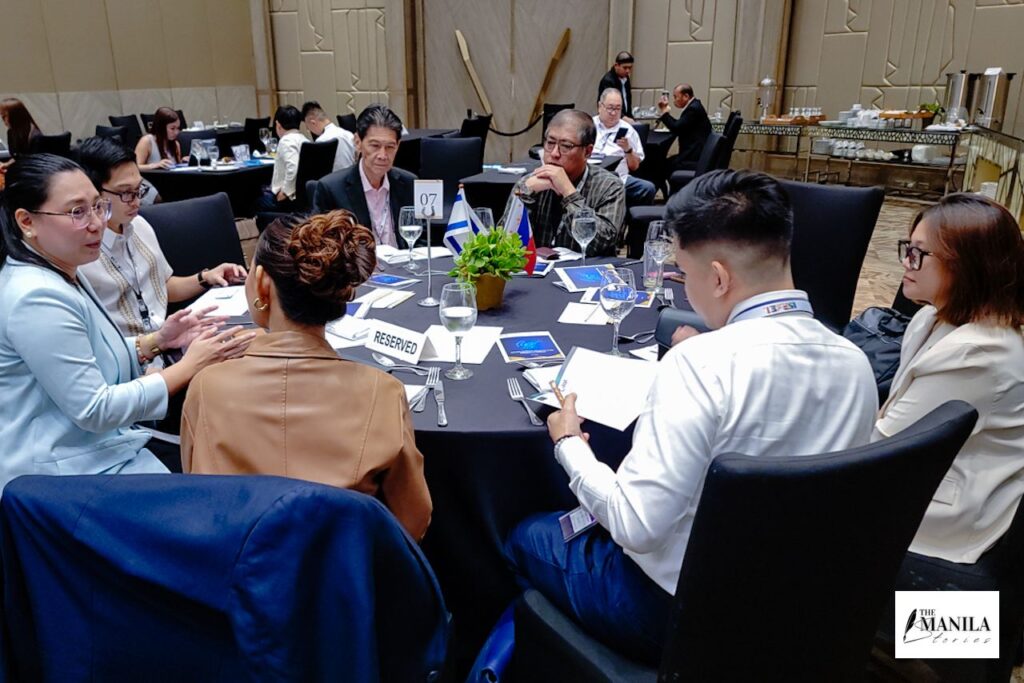
Philippine enterprises take advantage as five Israeli companies expose their cutting-edge technologies in various industries. Their technology in Homeland security, agriculture, CT & mobile, medical devices & healthcare, cyber, energy, and more.
Here are the five Israeli companies:
• Amdocs they help leading communications and media companies deliver better customer experiences at scale. They process billions of transactions daily, supporting customers worldwide. NASDAQ: DOX. FY2025 revenue $4.53B.
• Cato Networks, a leader in SASE and AI security, delivers secure, zero-trust access everywhere to thousands of customers worldwide. With Cato, organizations modernize confidently, operate with greater resilience, and innovate faster, without added complexity or risk.
• Gilat Satellite Networks Ltd., a leading global provider of satellite-based broadband communications. With over 35 years of experience, offering next generation solutions and services for critical connectivity across commercial and defense applications.
• Spacecom (AMOS-Spacecom), a global satellite communications service provider operating the AMOS fleet, delivering broadband, video, voice, and data services across Africa, the Middle East, and Asia with tailored end-to-end solutions for telecom, enterprise, and government customers.
• Symmetrium, the company, delivers a secure mobile work solution that people actually use. We replace device enrollment with a private, isolated workspace that keeps work governed on any phone.
Despite the cutting-edge technology that Israel offers, they fall behind in FinTech. Israel can learn more about FinTech from the Philippines. And, the Philippines can take advantage of Israel’s advanced cybersecurity. Israeli Amb. Dana Kursh points this out in the event.

Amb. Kursh tells us, “A lot of cybersecurity companies already have success stories spoken on the [Philippine] ground. When it comes to FinTech, the Philippines is more advanced than Israel, with GCash and other things. We are just getting there. We have the cybersecurity answers, but not the FinTech payment method.”
The Ambassador looks forward to shared opportunities. The Israeli Embassy has already embarked on this respect in the health and medical field. The Embassy continues its joint venture with Rizal Medical Center for the best shared practices.
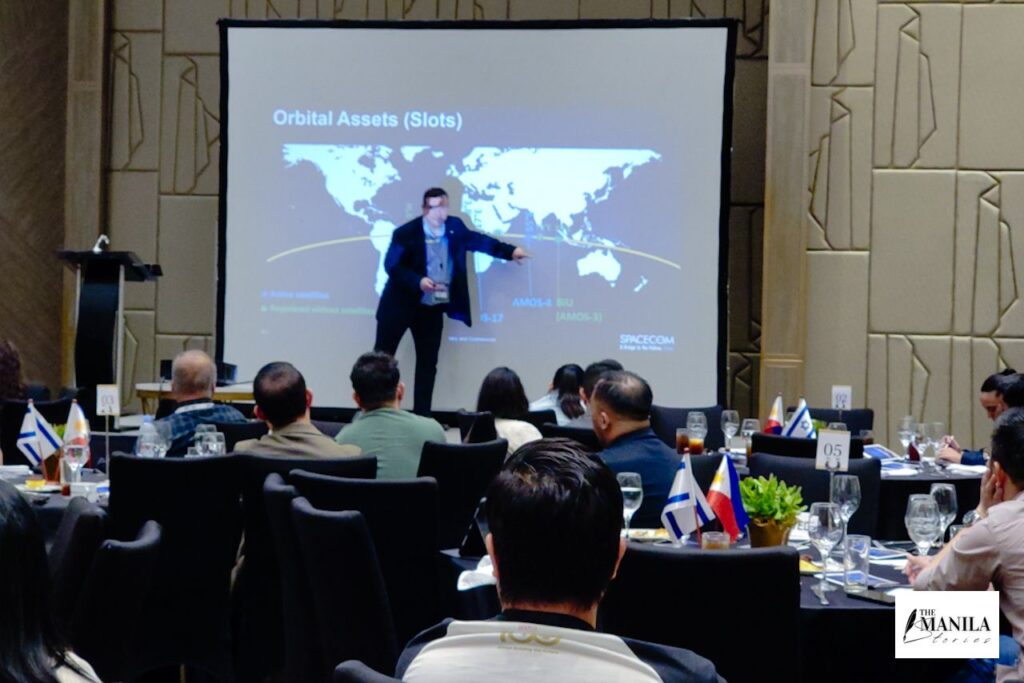
However, the future of the Philippines is in space. She said, “The future lies in satellites. In Navy space, because we are advanced. You heard the two Israeli companies. We have an amazing breakthrough when it comes to space [tech].”
The Philippines can move to the future as Israel offers their tech and trade. Yet, it is still up to the Philippine government whether it will tap this opportunity. Only then can the Philippines truly move forward.