
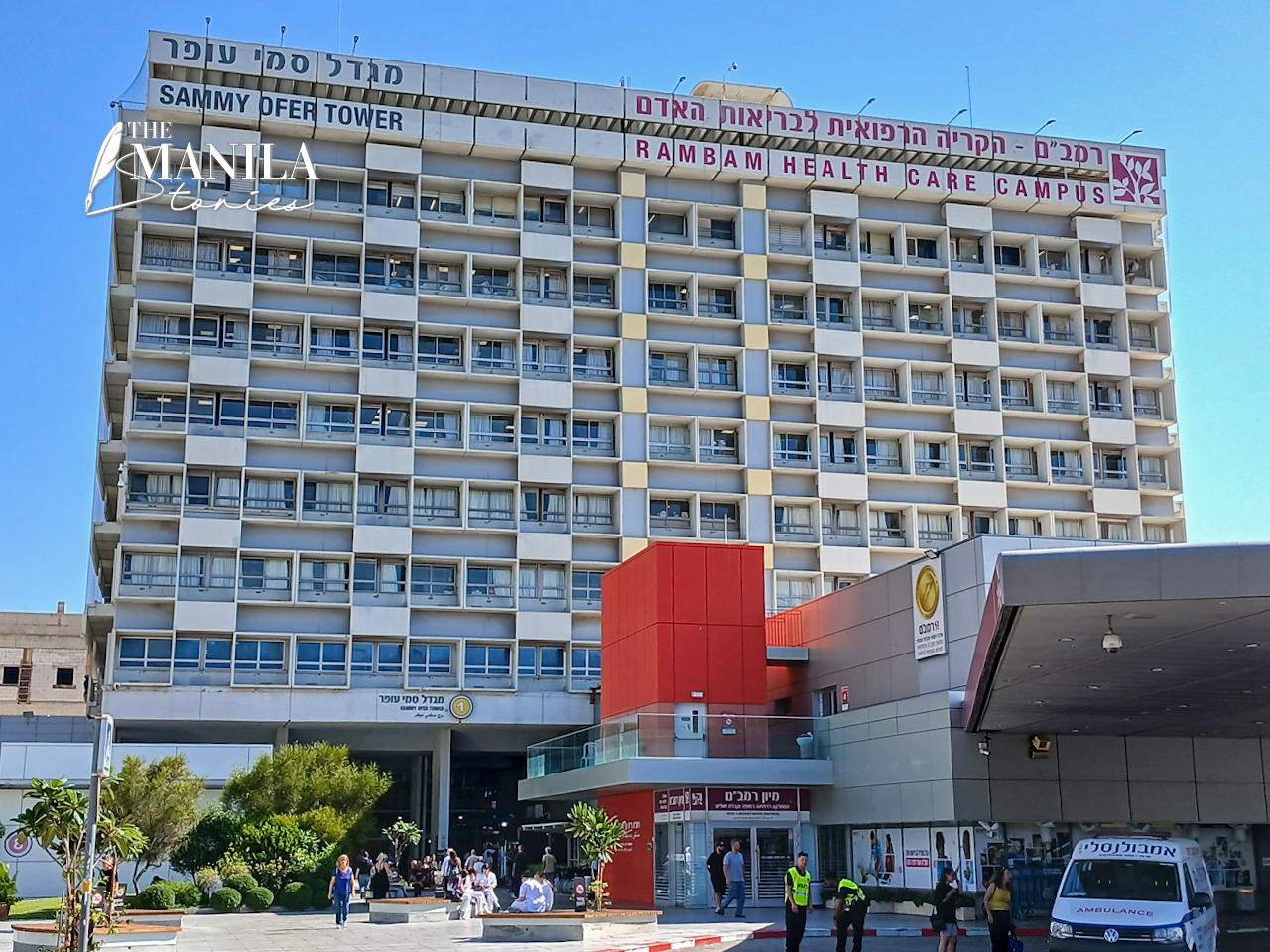
Rambam Health Care Campus operates as a unique hospital. It functions as an academic medical center and tertiary referral center within Israel’s national network. It serves under Israel’s public healthcare system.
The facility is a world-class center with 1,100 beds. It serves as the primary teaching hospital for the Technion-Israel Institute of Technology. It is also the only Level-1 trauma center in northern Israel. The hospital provides acute medical care for over two million residents.
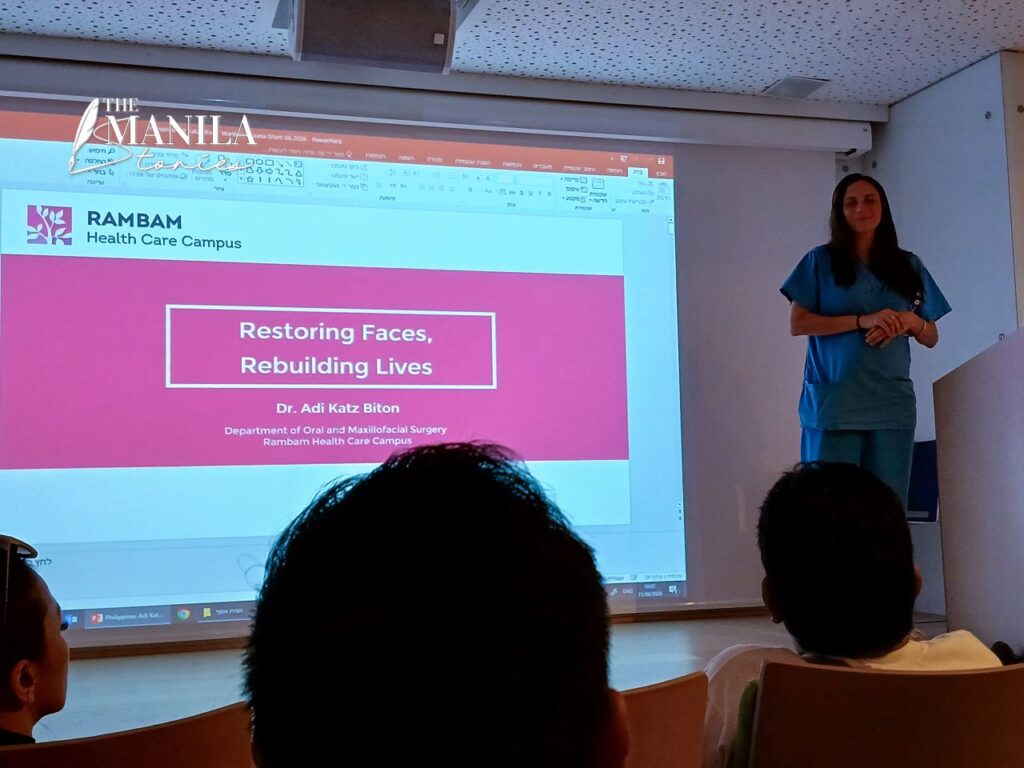
Rambam pioneers medical breakthroughs and clinical research. Its surgeons perform advanced facial reconstructions to restore damaged features. The hospital also leads in cardiovascular innovations. Researchers introduced novel devices and techniques during coronary artery bypass grafting. These methods make heart surgery significantly safer by preventing postoperative strokes.
| RAMBAM HEALTH CARE CAMPUS Level-1 Trauma & Referral Medical Center | |
| Peaceful Operations | Emergency Operations |
| • 3-Level Underground
• Daily patient care • Routine parking space | • World’s largest subterranean
• Converts in under 30 hrs • Sealed against NBC threats • 2,000+ protected beds |
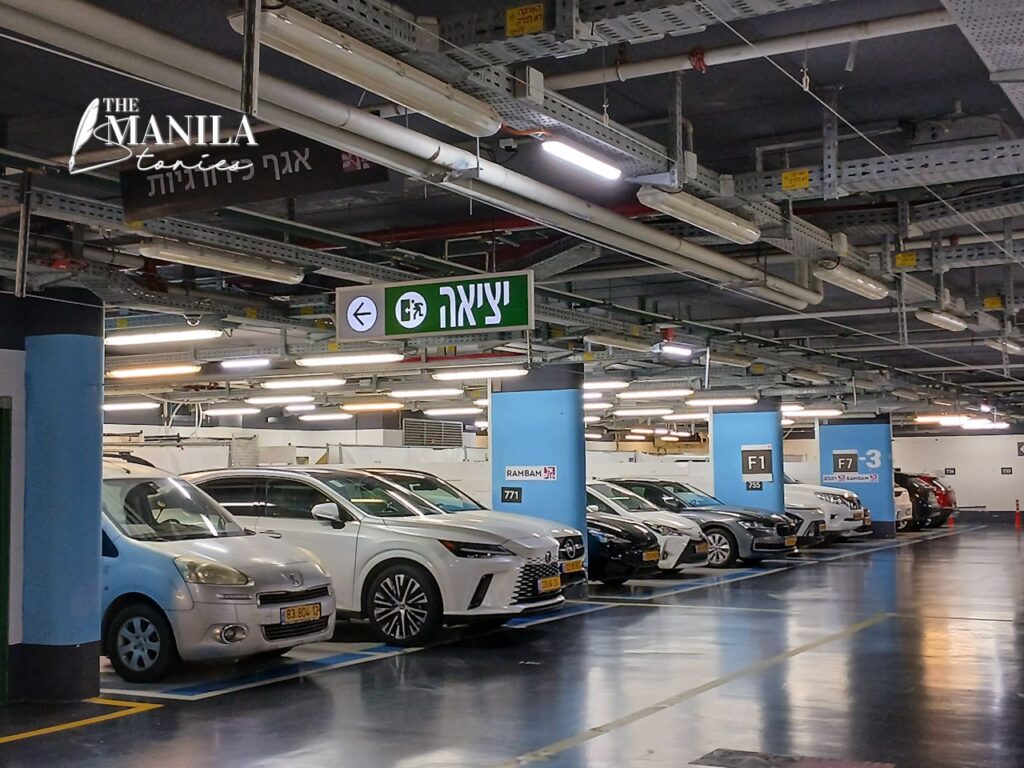
A major feature separates Rambam from other teaching hospitals: its underground facility. The Sammy Ofer Fortified Underground Emergency Hospital acts as a hospital within a hospital. During normal times, it functions as a three-level underground parking garage.
Engineers designed it as an extended subterranean hospital for critical emergencies. It converts into a fully equipped medical sanctuary in under 30 hours. It features blast doors and self-contained power. It has air filtration systems for nuclear, biological, and chemical threats. The underground facility became crucial during the COVID-19 pandemic. It proved essential during recent cross-border conflicts along the border with Lebanon.
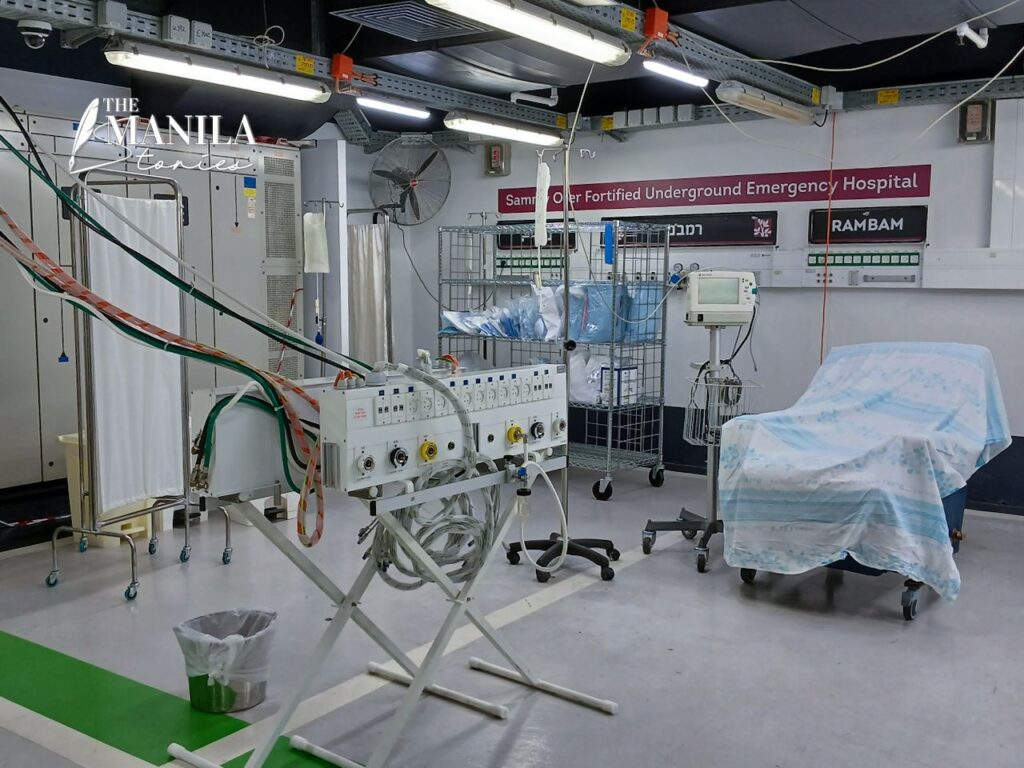
The underground hospital played a vital role during cross-border clashes. Staff moved hundreds of patients below ground level to protect them from rocket fire. Medical teams transformed the space into a 2,000-bed shielded ward.
Thousands of doctors, nurses, and support staff worked around the clock. Filipino healthcare workers served on the front lines alongside local Israeli personnel. They managed critical patient care and patient transport. Teams treated wounded Israeli soldiers and civilians. They also provided equal lifesaving treatment to wounded individuals from across the border. Doctors saved countless lives inside this bomb-proof complex.
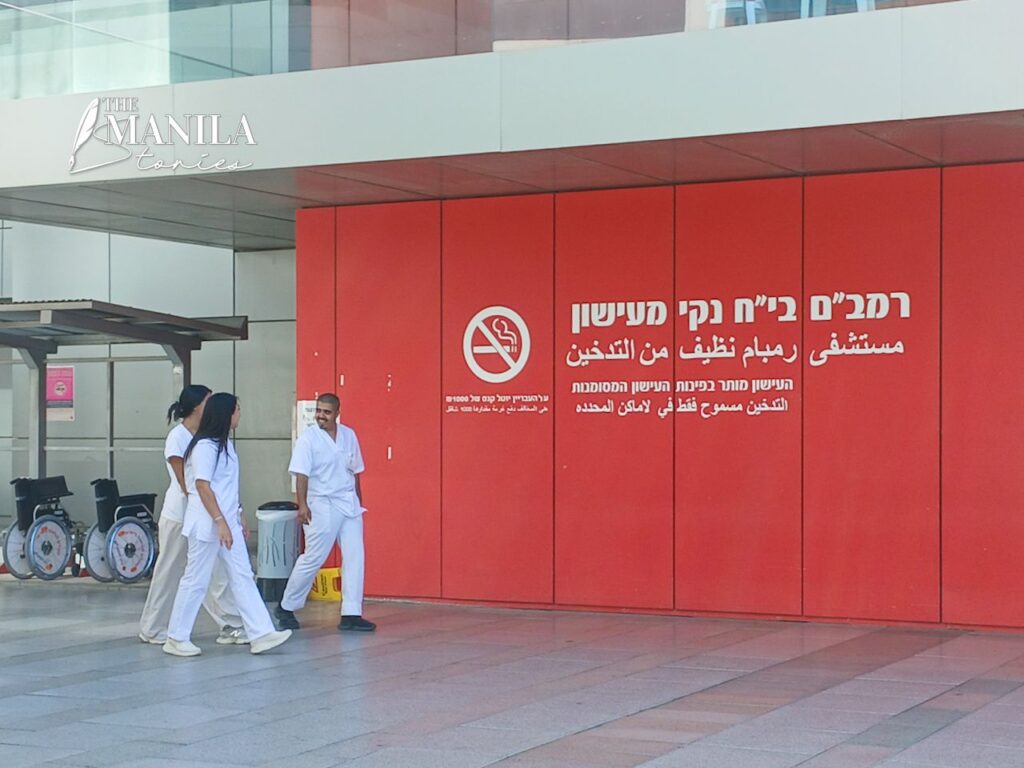
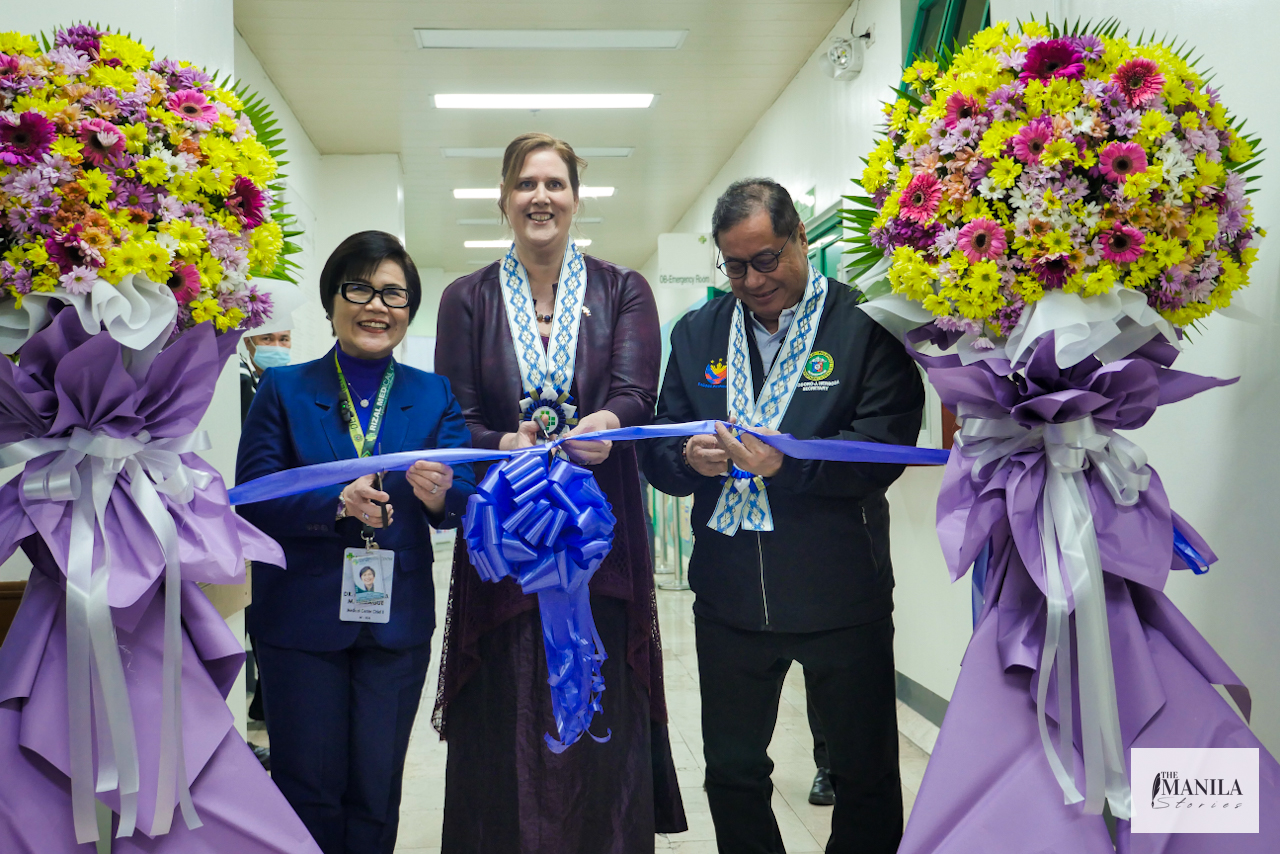
Rambam serves as a global model for medical disaster preparedness. Healthcare facilities worldwide study its dual-use infrastructure. The Philippines can adapt aspects of this healthcare system. Philippine institutions can learn directly from Rambam through international partnerships. Such as, the one-stop women’s health center at the Rizal Medical Center (RMC) in Pasig City. A collaboration with the Embassy of Israel to upgrade women’s health care.
The international medical community adopts Rambam’s surgical breakthroughs and trauma care standards. Rambam proves that emergency readiness and high-quality medicine can work as one.