
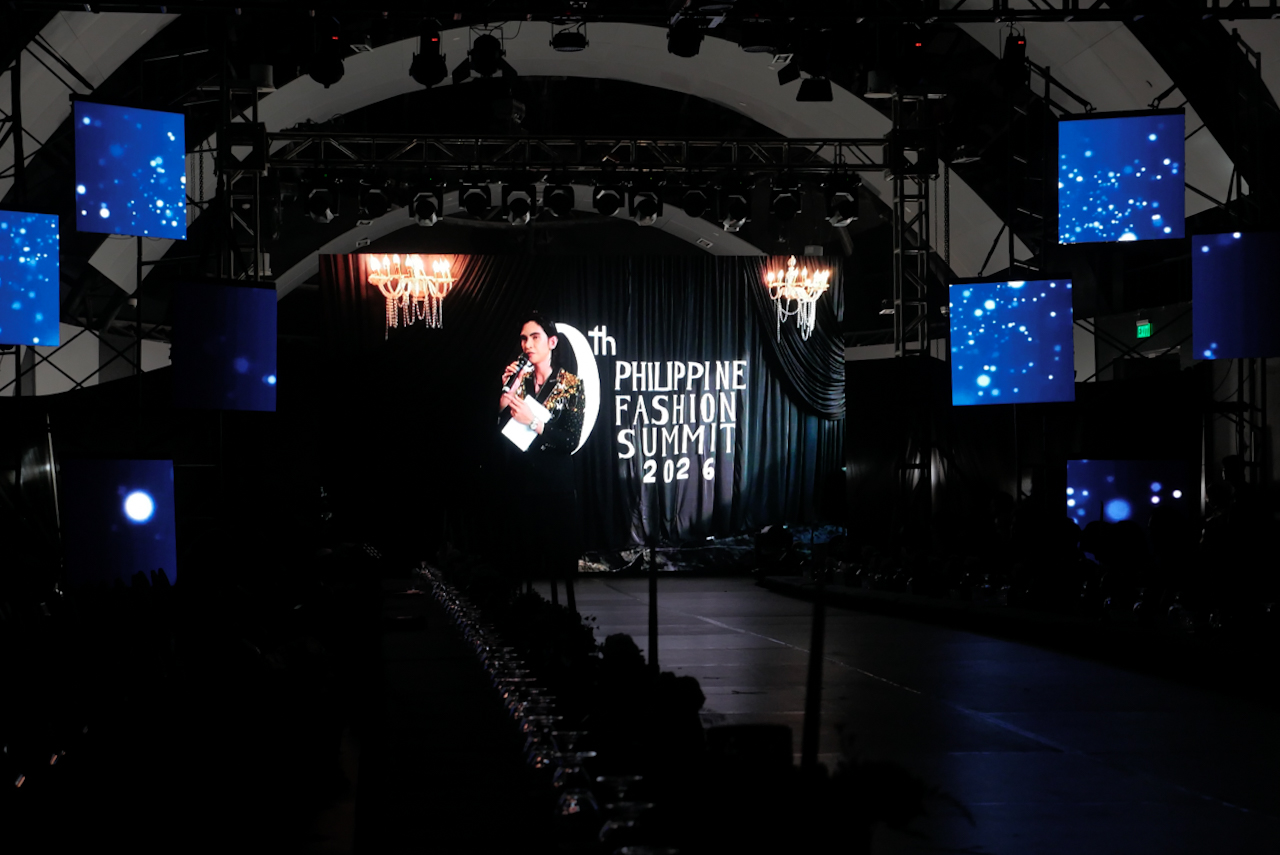
The 9th Philippine Fashion Summit looks like an avant-garde night. A set that looks like a high bar with glistening promotional graphics and bright stage lights. The venue was The Podium Hall in Mandaluyong City. Using media names like GMA TV and more to attract audiences. The reality on the floor told a very different story.
The event fell short of the established standards set by the Manila Fashion Festival or Philippine Fashion Week. Organizational flaws emerged long before the first runway show began. The lack of communication created immediate hesitation. A complete absence of media accommodation compounded these concerns on show day. Most media practitioners walked out right after the second collection appeared on stage.
Reporters with decades of experience covering national fashion events noted unusual email exchanges from event representatives. Organizers reached out to outlets to establish media partnerships. Publications accepted the invitations, but organizers never sent official agreement forms. They also failed to request high-resolution versions of the publication logos. Instead, organizers used low-resolution screen grabs for official marketing materials.
No media launch followed. Public relations teams sent no press materials or follow-up communications. Media outlets remained uncertain if the partnerships were active.
Logistics remained disorganized at the venue. Veteran journalists arrived directly from prior assignments out of professional courtesy. No public relations officers or marketing managers welcomed the press. Staff members at the registration booths gave no instructions and identified themselves merely as third-party suppliers. Even the VIPs were standing outside among the crowds.
The production lacked a designated media holding room. Press members could not network with key figures, nor were basic refreshments provided. Media members who were not official partners left early. Others chose not to attend at all.
The summit lacked institutional oversight and representation from recognized industry bodies. Organizers presented no representatives from the Philippine Textile Research Institute or established fashion guilds. Smaller niche events regularly feature institutional observers or prominent fashion figures. The 9th edition of the summit lacked any visible presence from major authorities.
The runway collections disappointed observers. Show segments featured garments that appeared as uninspired imitations of prominent brand designs. Several collections recycled previously displayed lines. Poor tailoring and improper draping on dress forms marked the garments. The presentation offered little news value for journalists.
The event raised serious financial and legal concerns regarding model compensation. Several models revealed they paid fees to walk the catwalk. One model paid ₱10,000 for a slot. A parent reported paying ₱9,000 for her child to walk the runway in exchange for keeping the garment. This is a practice that we are all familiar with in recruitment.
Many models traveled from distant provinces. One family traveled from Bicol and paid ₱9,000 to secure a runway spot for their child. Standard Philippine event practices dictate that models receive compensation regardless of freelance or agency status.
Philippine laws explicitly mandate compensation and labor protections for talent. Independent contractors fall under the Civil Code of the Philippines. Audio-visual production workers receive explicit protections under the Eddie Garcia Law.
Industry designers acknowledged that some creators resort to these schemes due to economic pressure. Designers sell outfit fitting packages to clients under the guise of runway participation. The client models the collection and takes the fitted clothing home. This desperate practice undermines the professional fashion community and misleads consumers.
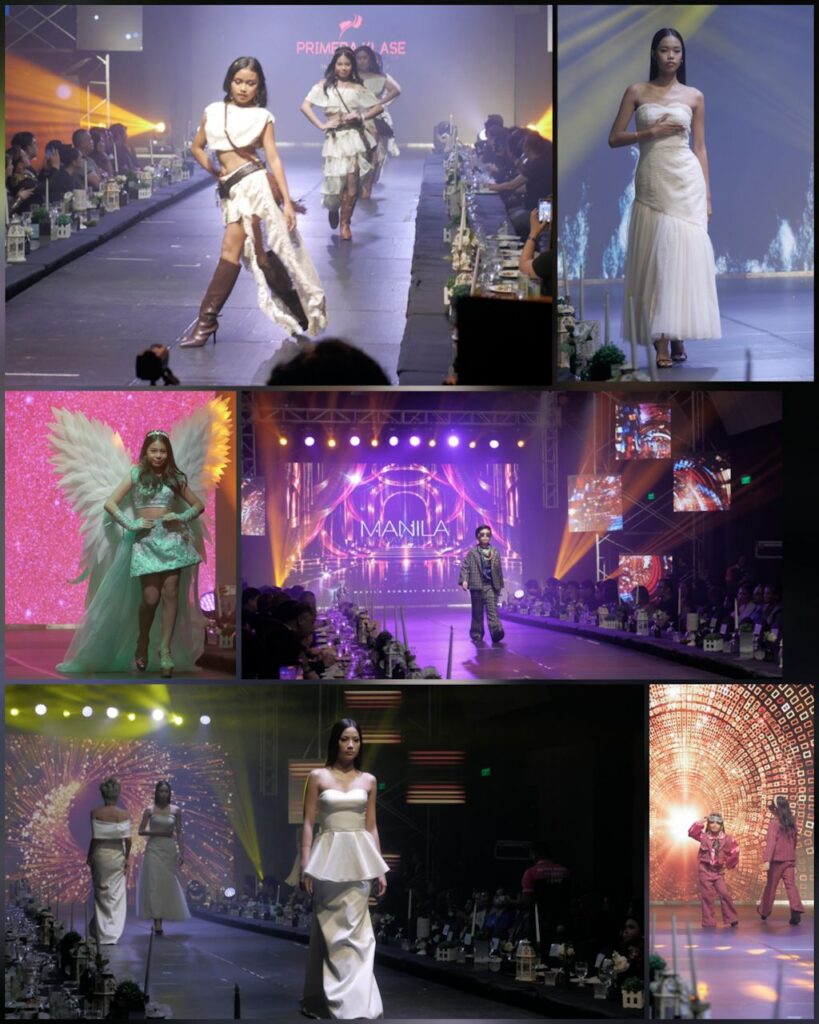
The event also featured child models in the late afternoon. Under Section 12-A of the Special Protection of Children Against Exploitation Act, child models under 15 years old must secure a Working Child Permit from the Department of Labor and Employment. Parental consent alone does not supersede state legal mandates.
Republic Act No. 9231 strictly prohibits children under 15 years old from working between 8:00 PM and 6:00 AM. Minor models aged 15 to 17 cannot work between 10:00 PM and 6:00 AM.
Commercial mall shows typically schedule child segments in the early afternoon to conclude well before the 8:00 PM cutoff. The Philippine Fashion Summit kept minor models backstage, and it seems to be overcrowded. ñ
The Philippine Fashion Summit 2026 revealed deep operational shortcomings. Surface glamour cannot mask poor organization, questionable financial practices, and possible compliance failures. Until organizers correct these systemic issues, the summit cannot match the caliber or reputation of the country’s premier fashion institutions and standards.