
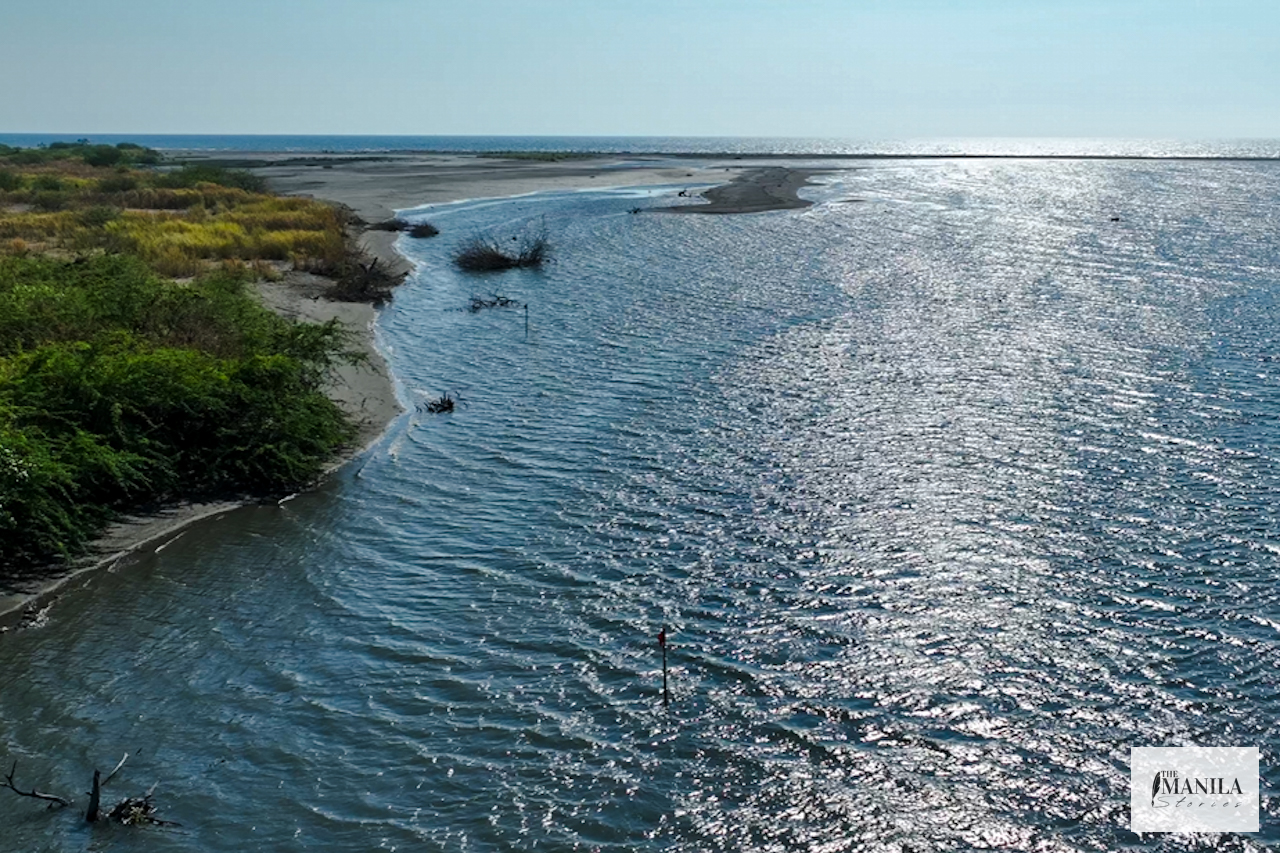
University of the Philippines researchers have mapped the plant life along the Amnay River in Occidental Mindoro. The study focuses on how plants grow along riverbanks. These areas are sensitive to changes in water flow and soil.
Dr. Enrico Replan of the UP College of Science led the research. He examined a 14-kilometer stretch of the river. The study covered 509 hectares of land.
“Riparian areas—those found along rivers—are very important because they help prevent soil erosion, improve water quality, and provide habitat for wildlife,” Dr. Replan said. “By documenting the plants present, the study provided/created a baseline record that can help monitor environmental changes in the future.”
The research shows that most plants in the area are herbs and grasses. Trees are rare and grow in small, isolated patches. This creates a simple, fragmented landscape.
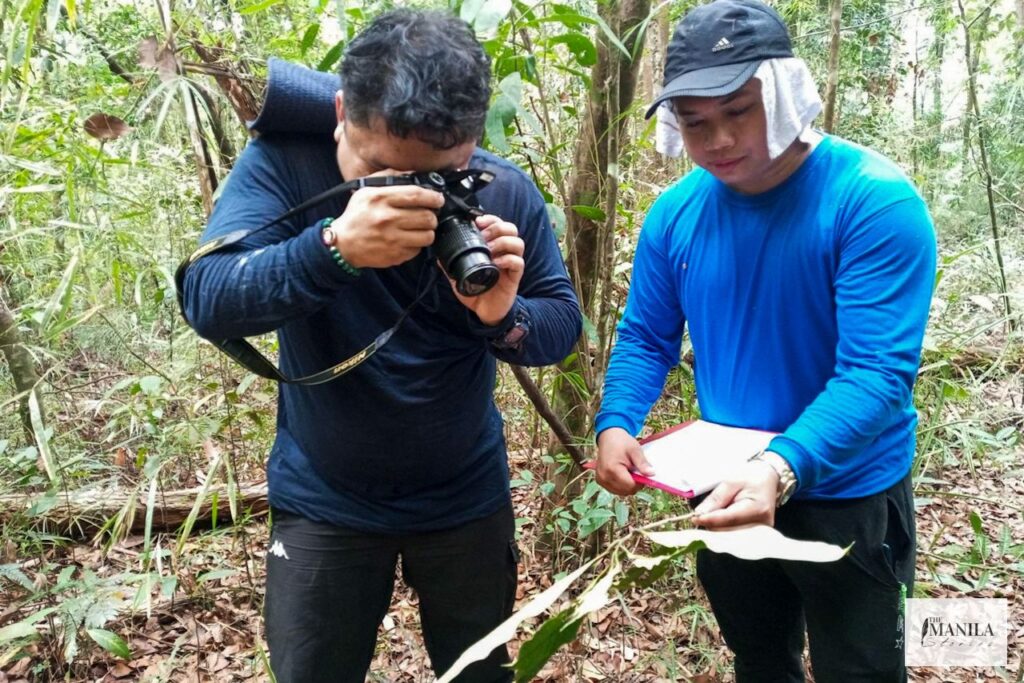
Scientific records of the Amnay River have been limited until now. This is despite the river’s importance to local communities.
“Given increasing environmental pressures such as land-use change and sedimentation, I felt it was important to establish baseline ecological data,” Dr. Replan added.
The team found that plants near the river respond to local conditions. Some species handle floods well. Others prefer stable ground away from the water.
“Some species were highly adapted to periodic flooding and unstable soils, while others thrived further away from direct river influence,” Dr. Replan noted. “This spatial variation highlights how sensitive and specialized riparian ecosystems can be.”
The data serves as a guide for future conservation. It helps experts choose the right plants for river restoration.
“If changes occur due to natural disturbances or human activities, future researchers and policymakers will have a point of comparison,” Dr. Replan concluded. “The information can also guide restoration efforts by identifying native species that are well-adapted to the local river conditions, which is essential for effective rehabilitation and biodiversity conservation.”
The study, titled “Floristic Diversity of Riparian and Associated Vegetation Along the Amnay River (The Philippines),” appears in the journal Plant-Environment Interactions.