
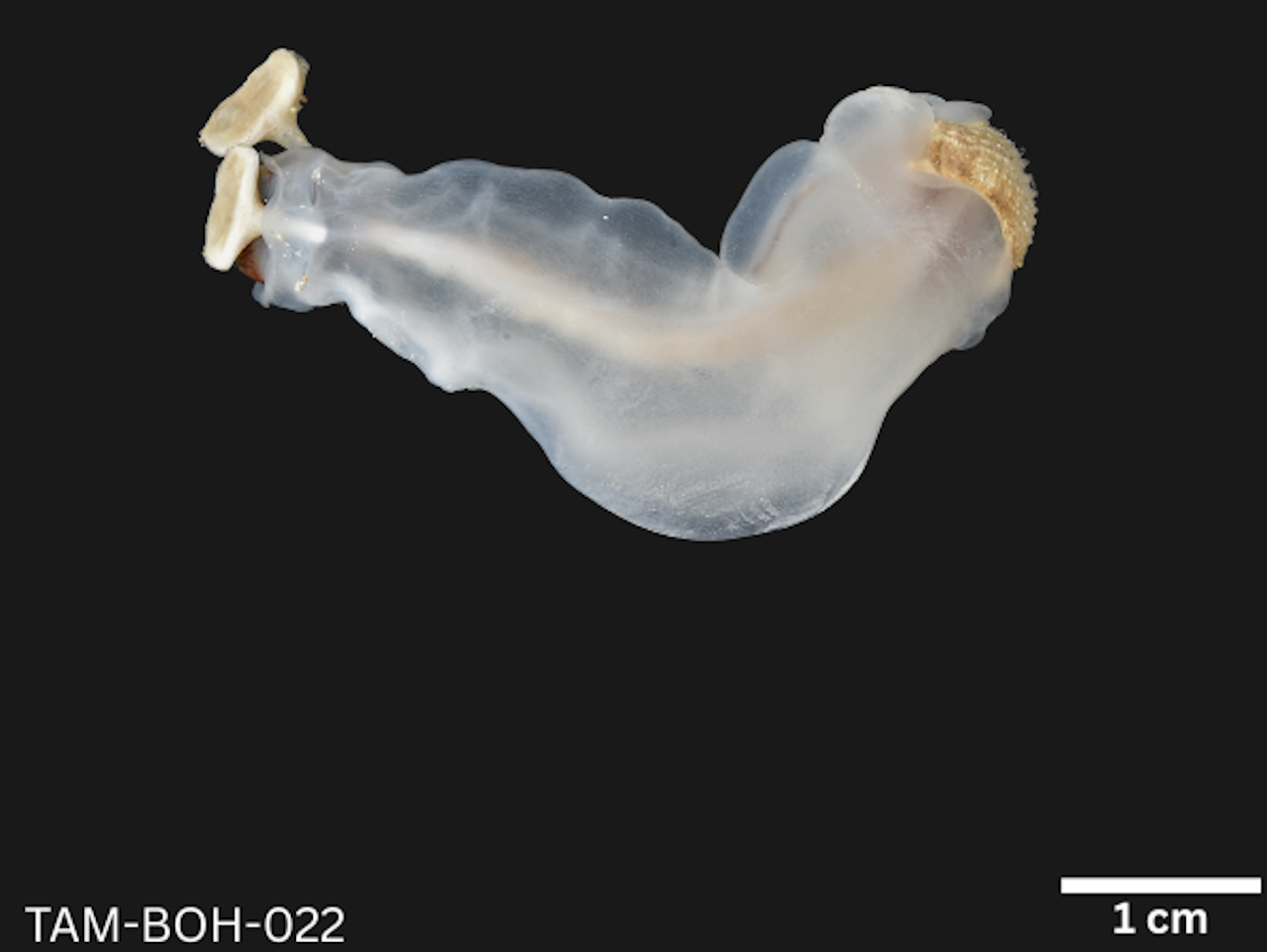
A unique Philippine mollusk is competing for a global award. The antingaw is a finalist for International Mollusc of the Year. It is the first known shipworm that lives within and eats through rock.
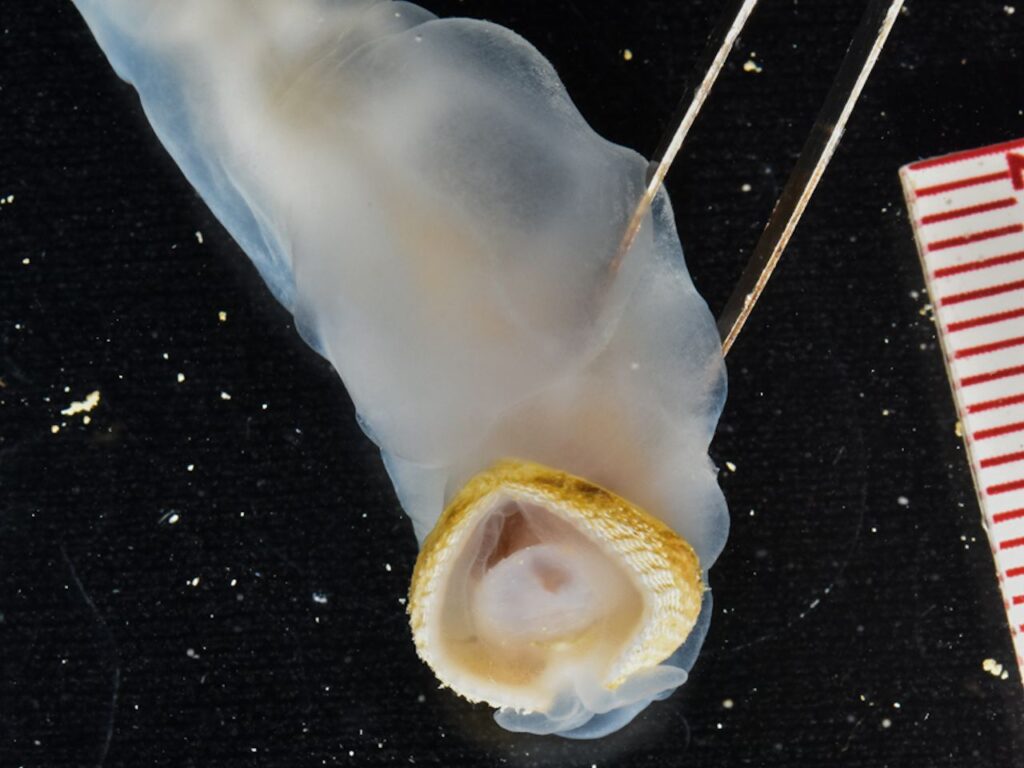
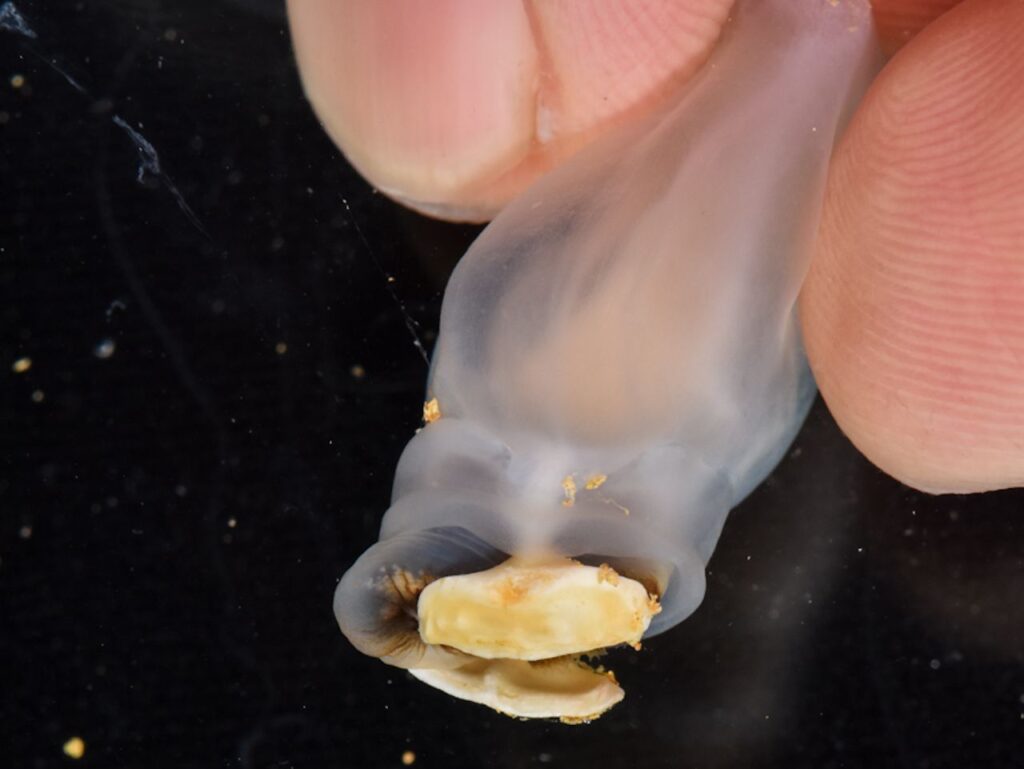
The antingaw closely relates to the tamilok and ugaong. Unlike its relatives, it bores through limestone instead of wood. While shipworms are types of clams, this species possesses a long, fleshy body. Its shell has adapted to cut into stone. It features large, blunt denticles instead of the typical sharp, small teeth.
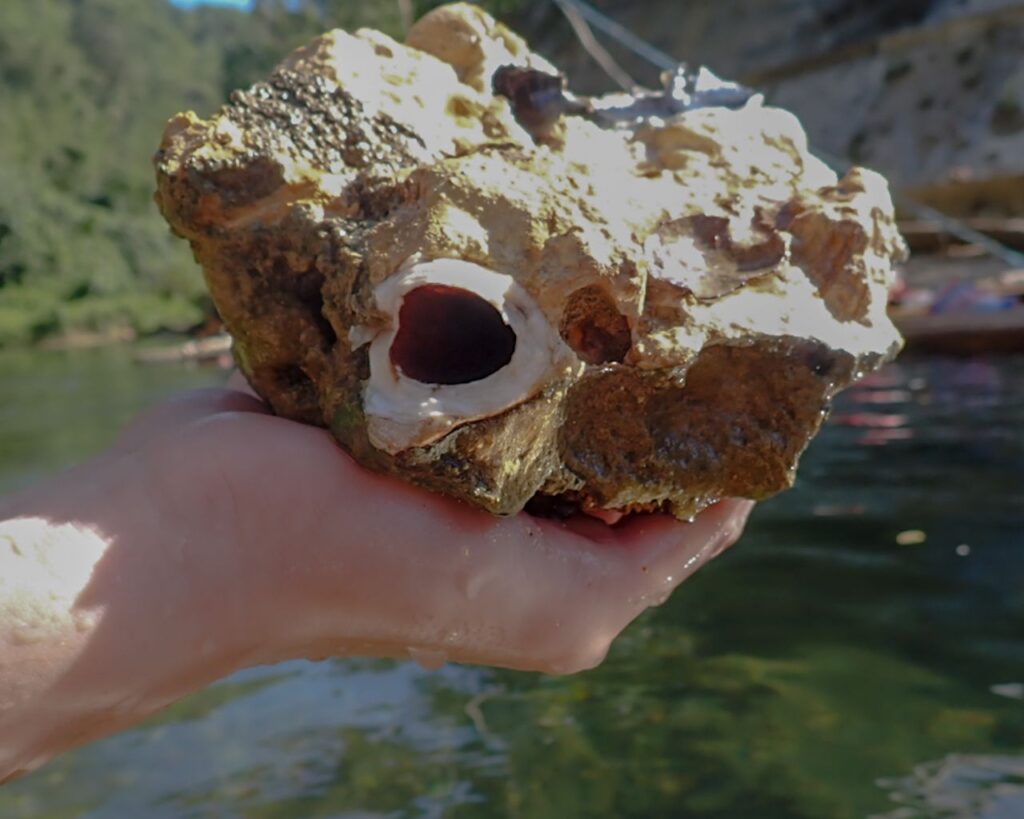
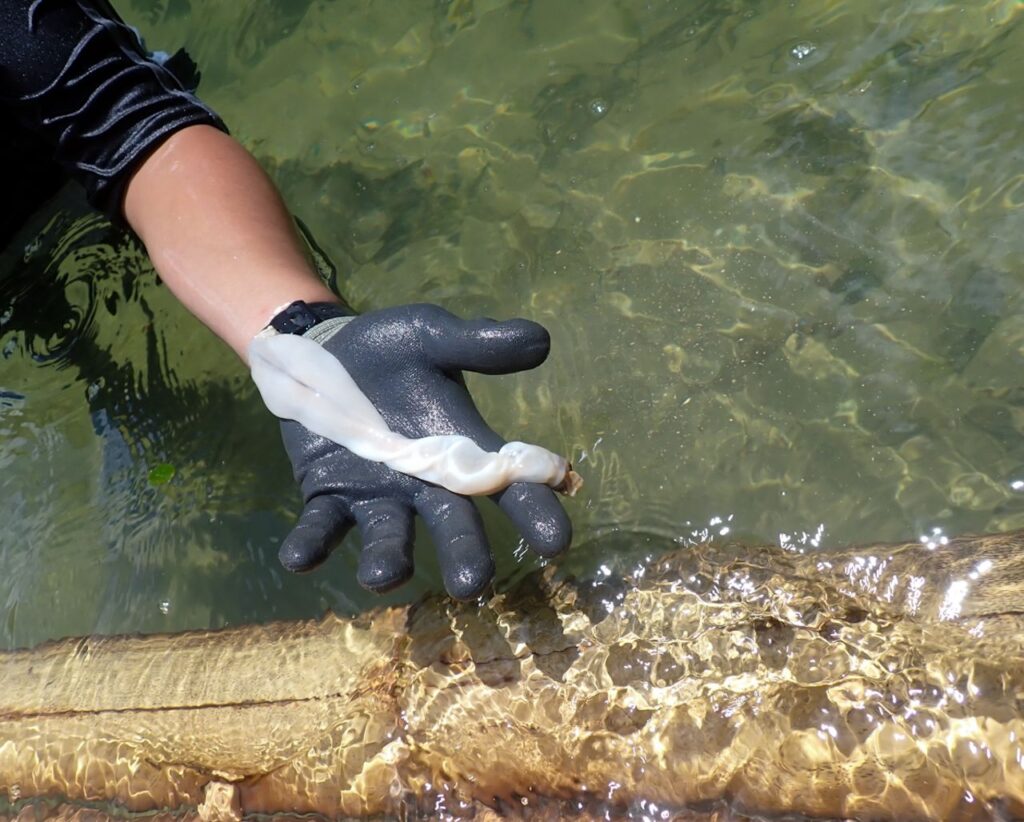
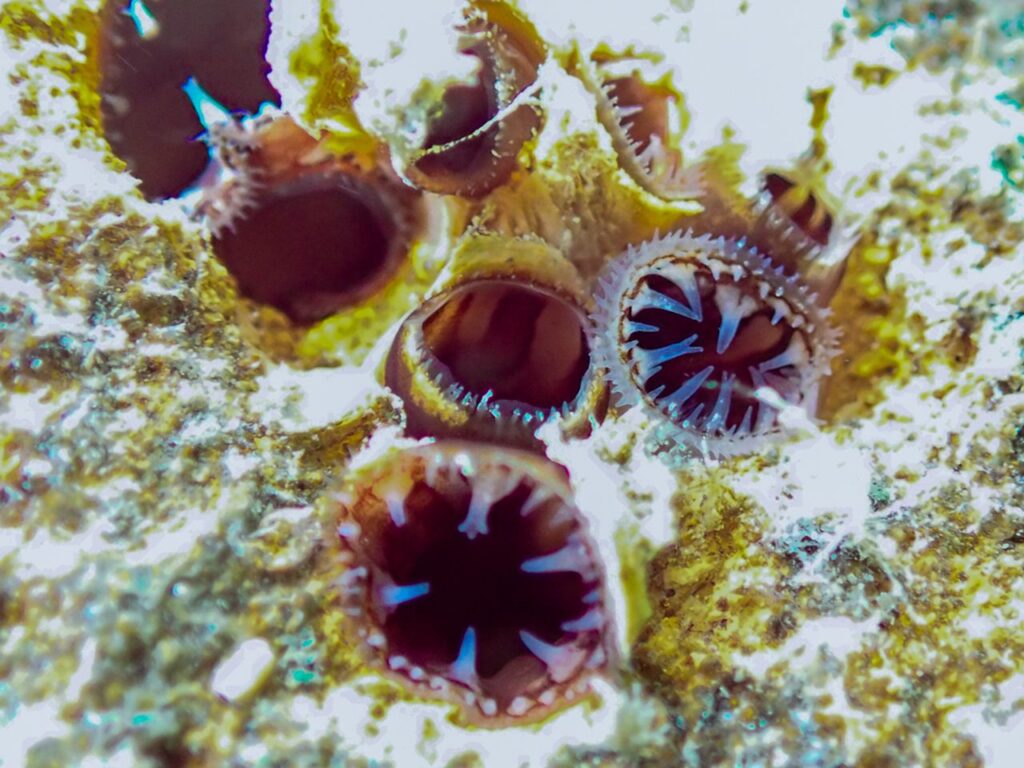
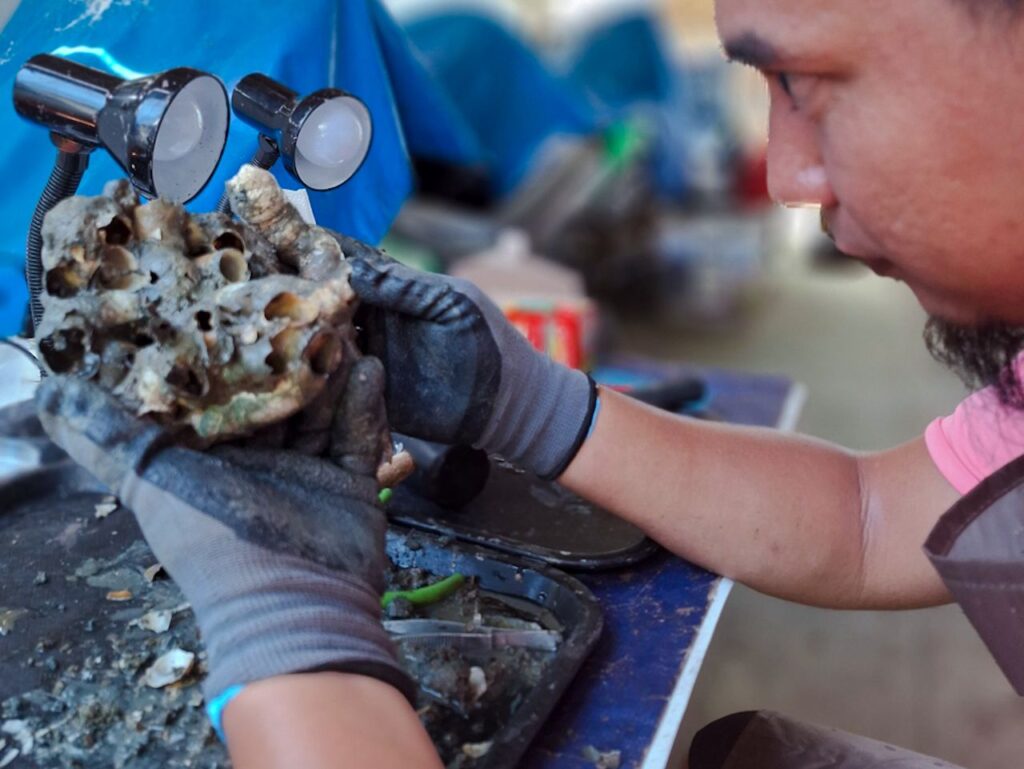
A 2019 study discovered limestone inside the creature’s stomach. This makes it the first known freshwater invertebrate that burrows through rock by ingesting it. Scientists believe the antingaw may harbor symbiotic microorganisms in its gills. These microbes likely help the animal break down its inorganic diet.
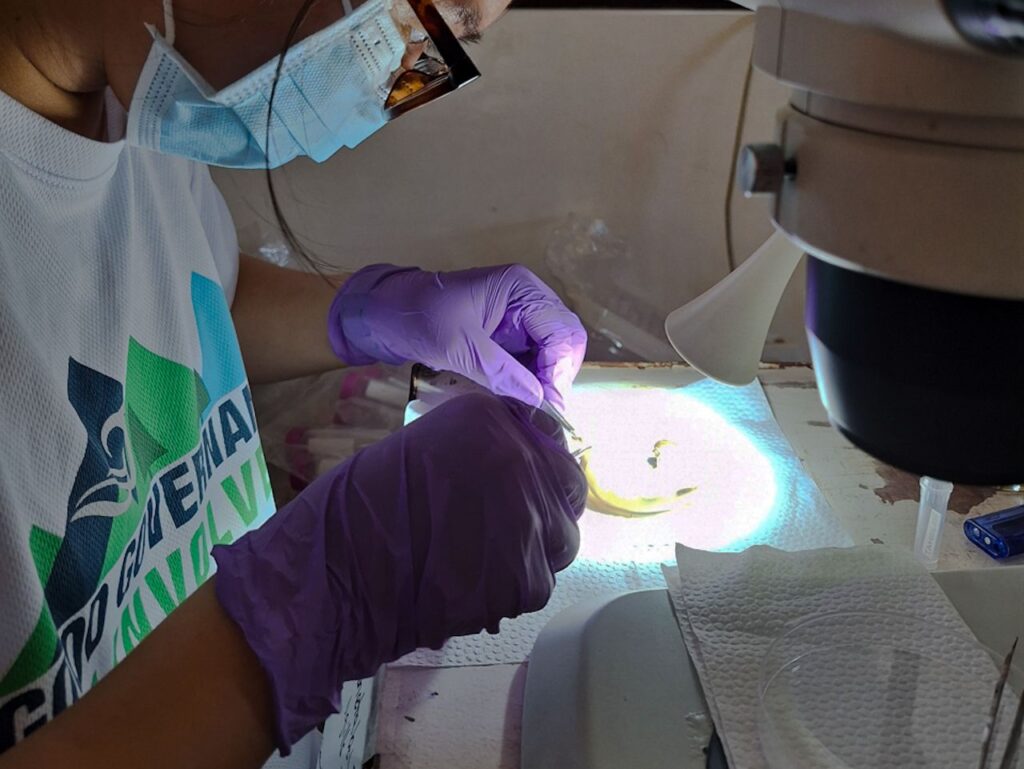
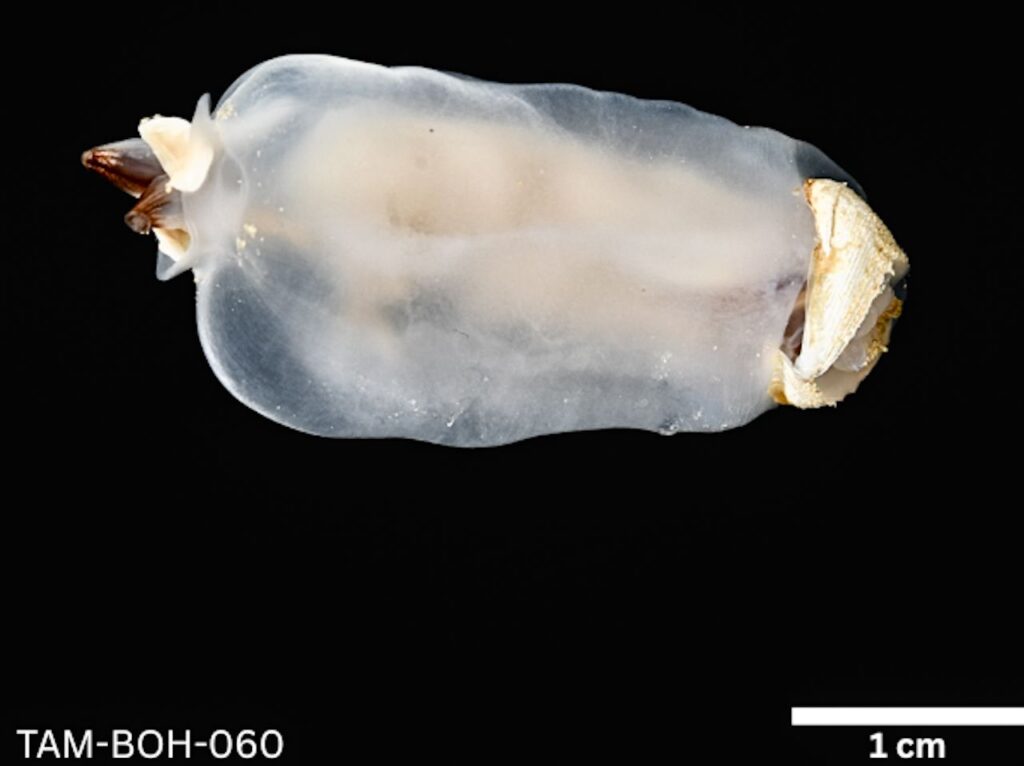
The UP Marine Science Institute (UP MSI) is leading the campaign for the species. The competition is hosted by the German-based Senckenberg Society for Nature Research, the Senckenberg Ocean Species Alliance, and Unitas Malacologica. The antingaw faces competition from finalists in Italy, Australia, the Seychelles, and the United States.
The grand prize includes a complete sequencing of the winner’s genome. This genetic data could help researchers develop new biotechnology products. UP MSI is currently exploring this potential through the TAMMILOC Project. This research is supported by the Department of Science and Technology – National Research Council of the Philippines.
The antingaw is exclusively found in the Abatan River of Bohol. Its scientific name is Lithoredo abatanica Shipway, Distel & Rosenberg, 2019.
The public will decide the winner via an online vote. The voting period ends on April 26. Residents can cast their votes through the official competition website.