
A public health campaign is expanding to a popular tourist island. The Stop Rabies initiative is now moving to Siargao. This move aims to stop the spread of a deadly disease.
The program is a global project. Boehringer Ingelheim runs the campaign. They work with the GARC Rabies Alliance.
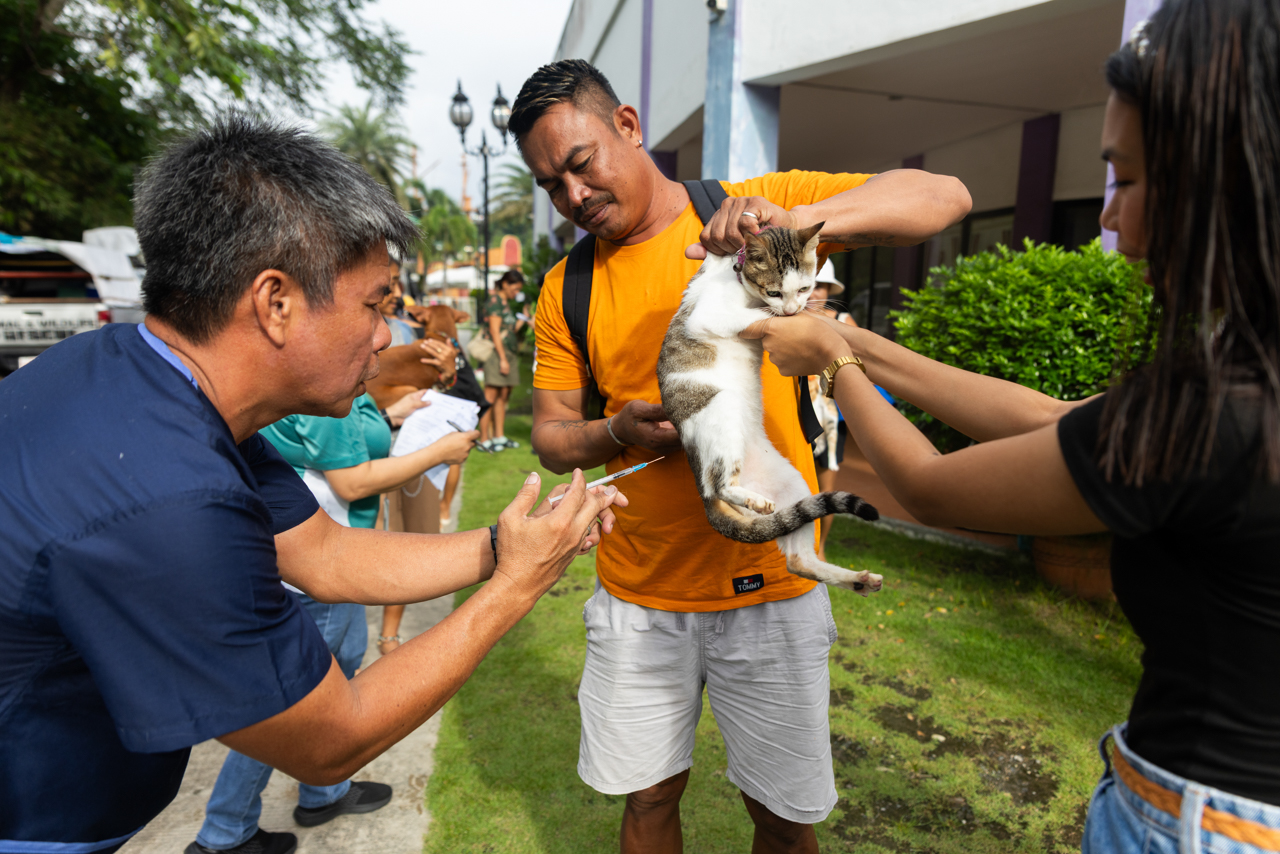
The initiative focuses on several key areas. It brings education to local towns. It provides animal vaccinations. It manages animal populations. It promotes responsible pet ownership across the island.

The program has already visited other regions. These areas include Puerto Galera, Marinduque, Laguna, and Negros Occidental. The project teams up with local governments. They work with schools, veterinarians, and community groups. This teamwork helps residents spot rabies risks. It teaches people how to react after animal bites. It also encourages people to seek timely vaccinations.
Rabies remains a major health challenge in the Philippines. The disease is entirely preventable. Yet, hundreds of people die from it every year. Millions of animal bite cases are reported nationwide.
World Rabies Day highlights these ongoing dangers. Communities across the country are stepping up their efforts. They want to build strong awareness. They want to encourage responsible pet ownership. They also want to expand access to preventive health measures.
“Rabies prevention starts with informed communities, vaccinated dogs and cats, and shared responsibility,” said Dr. Michael Banawa. He is the Head of Animal Health at Boehringer Ingelheim Animal Health Philippines, Inc.
“Through Stop Rabies, Boehringer Ingelheim remains committed to advancing sustainable rabies prevention to protect animals, safeguard public health, and help build healthier communities,” Dr. Banawa added.
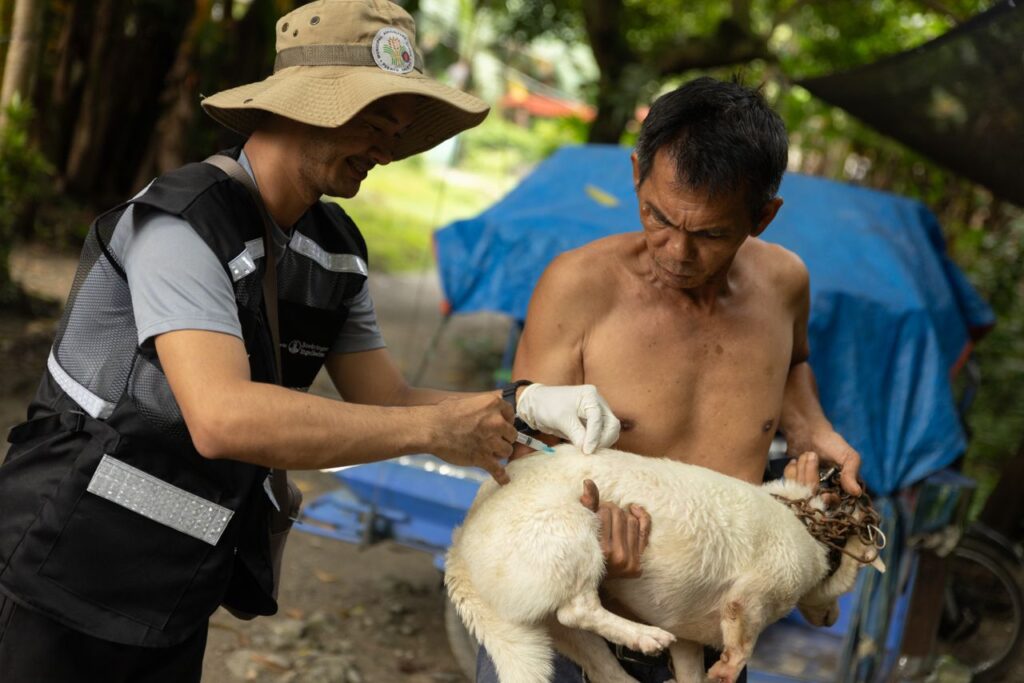
The campaign has grown quickly. Since its launch in the Philippines, Stop Rabies has reached many areas. It has spread across Luzon and the Visayas. It has reached thousands of students. It has empowered local leaders to fight rabies at the grassroots level.
In Puerto Galera, the initiative reached over 2,300 elementary students. It also trained frontline responders. These workers learned vital skills for rabies prevention and emergency response.
The program also expanded in Laguna. It started in Calauan and moved to Los Baños. There, it reached more than 8,000 students across 11 schools. The team used fun, school-based awareness activities.
In Negros Occidental, the program partnered with the local government. It also worked with the Department of Education. They introduced rabies awareness videos to schools in Bacolod City. They also held education sessions in Victorias City.
Now, the campaign is heading east. Stop Rabies will launch in Siargao this October. The rollout is a massive group effort. Boehringer Ingelheim is partnering with the Siargao local government. They are also working with the GARC Rabies Alliance. Another key partner is the Field Epidemiology Training Program Alumni Foundation, Inc., known as FETPAFI.
The Siargao rollout will feature many activities. It will include community education classes. It will offer mass vaccinations for dogs and cats. It will feature spay and neuter services. It will also push for better pet care across the island.
“Rabies education saves lives because it gives people the knowledge to act before it is too late,” said Dr. Niko Ylagan. He is the Stop Rabies Lead and Companion Animal Health Technical Manager at Boehringer Ingelheim Animal Health Philippines, Inc.
“Beyond classroom sessions, Stop Rabies helps communities build sustained rabies awareness and make prevention part of everyday life,” Dr. Ylagan said.
Rabies is a terrifying disease. It is one of the most fatal infections in the world. However, it is also completely preventable.
In the Philippines, the virus kills 300 to 400 people every year. At the same time, the country records about four million animal bites annually.
Recent deaths among children have shocked the nation. These tragedies show why fast medical care is vital. People must get help right away after a bite or a scratch. Delays in treatment often lead to death.
Children and low-income families suffer the most. This makes education crucial at home and in school.
Victims must wash wounds immediately. They must consult a doctor right away. They also need timely post-exposure shots. These steps stop the virus before symptoms start.
Education helps families spot risks. It teaches kids how to avoid dog bites. It also fixes dangerous myths. Many people believe only stray dogs carry rabies. Others think small bites and scratches are harmless.
Health experts warn the public about healthy pets. Even friendly pets can carry the virus if they lack shots. A medical check is mandatory after any exposure.
Global health leaders have a big goal. They want to eliminate human deaths from dog-mediated rabies by the year 2030. Boehringer Ingelheim fully supports this mission. They use the Stop Rabies program to reach this target. They rely on strong local partnerships to save lives.
Pet owners play a big role in this fight. Owners must vaccinate their pets. They must also practice responsible pet care every single day.